
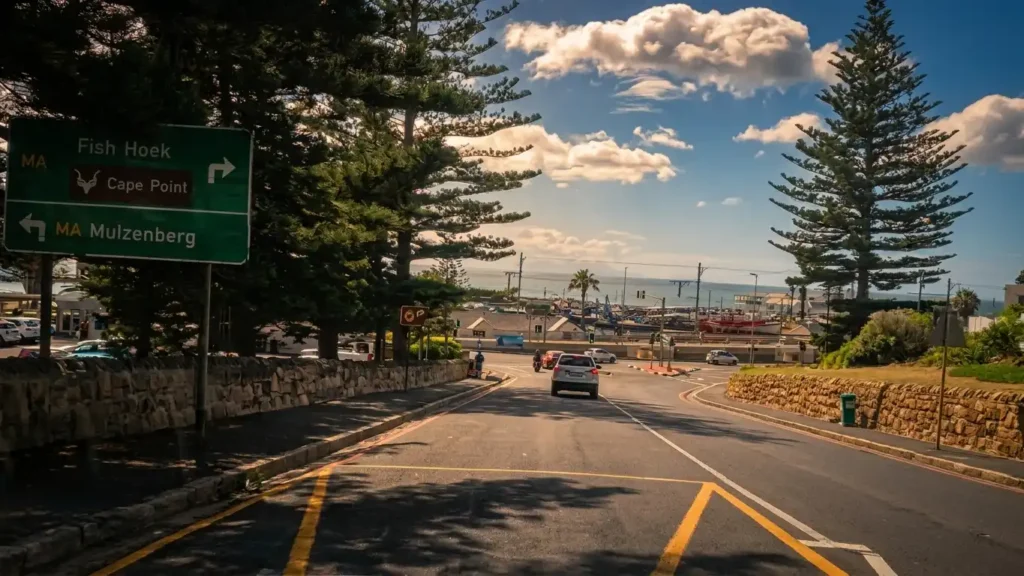
The fishing village of Kalk Bay is located on the False Bay coast of the Cape Peninsula, about 25 minutes from central Cape Town. It’s home to a working fishing harbour, quaint coffee shops, world famous restaurants, clothing boutiques, and some truly enjoyable antique and book shops. But its not just a picture-perfect tourist desitination. It’s a real place where fishermen still go out early morning & evening and local restaurants source their catch from what comes in that day. This combination of functioning harbour, bohemian shops, galleries, and delicious food is what brought Forbes to name it one of the 12 coolest neighbourhoods in the world in 2018.
The village is small enough to explore on foot. Most of what matters is along Main Road, which runs parallel to the water. And just about every step takes you past an intriguing shop entrace, secret allyway or delcious smelling cafe or restaurant.
You can arrive by train on the Southern Line, which drops you at Kalk Bay Station, or drive from central Cape Town in about 30 – 40 minutes. Either way, you’ll be orientated quickly.

The Harbour
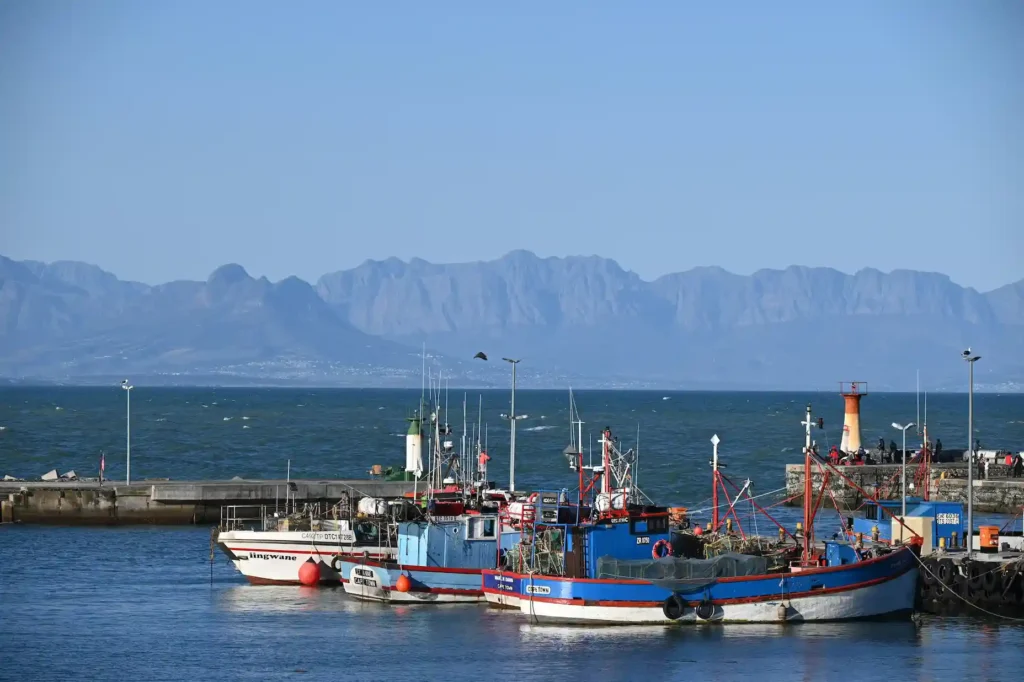
The Kalk Bay harbour has been working since 1913. The fishing boats, many painted bright red, blue, green and white, are genuine working vessels, not decorations. The fishermen land snoek, yellowtail, and a host of other local species most days. This isn’t reconstructed heritage; it’s an active commercial fishery that happens to be photogenic.
The lighthouse at the harbour, also red and white striped, is the obvious spot for sunrise and sunset photos. Also hugely popular, are the moonrise photo opportunities for those nightowls prepared to wait for just the right moment when it appears over the Hottentots Holland mountains. Most authentic activity happens early and late in the day, not at midday when tour groups cluster.
False Bay itself is one of the world’s better places to see southern right whales during migration season, primarily in September and October. The bay is also home to the Marine Big 5: dolphins, whales, Cape Fur Seals, African Penguins, and the Mola Mola Sunfish. If you’re interested in marine life, it’s worth asking locally about boat trips or asking at restaurants whether anything notable has been seen recently.
Swimming and Tidal Pools
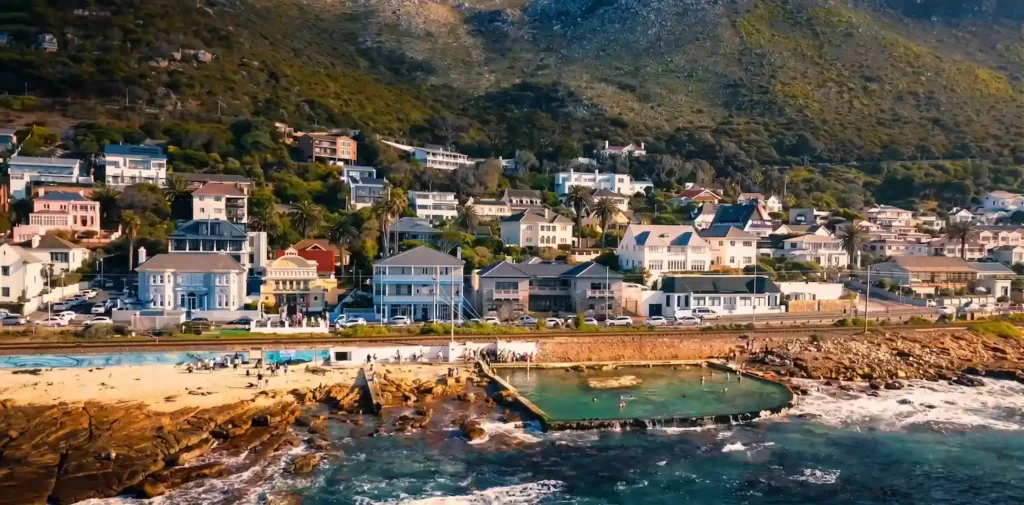
Kalk Bay has two established tidal pools. Dalebrook Tidal Pool dating back to 1907 remains one of Cape Town’s better options for swimming without currents or rough water. The pool is shallow, making it safe for children, and uses environmentally friendly cleaning methods. It’s the kind of place locals visit regularly rather than being a tourist’s to do list item. You can find the pool a short walk in a northerly direction along Main Road towards StJames.
Woolley’s Tidal Pool is smaller (about 303 square metres), accessed via stairs beneath the railway line. It’s a man-made rock pool that makes sea swimming safer and cleaner. Take a brief stroll along Main Road towards Fish Hoek to access the steps down to the rocks below.
Both pools are free and warrant a visit if you want to swim without dealing with False Bay’s somewhat boisterous conditions.
What to Do and Where to Eat
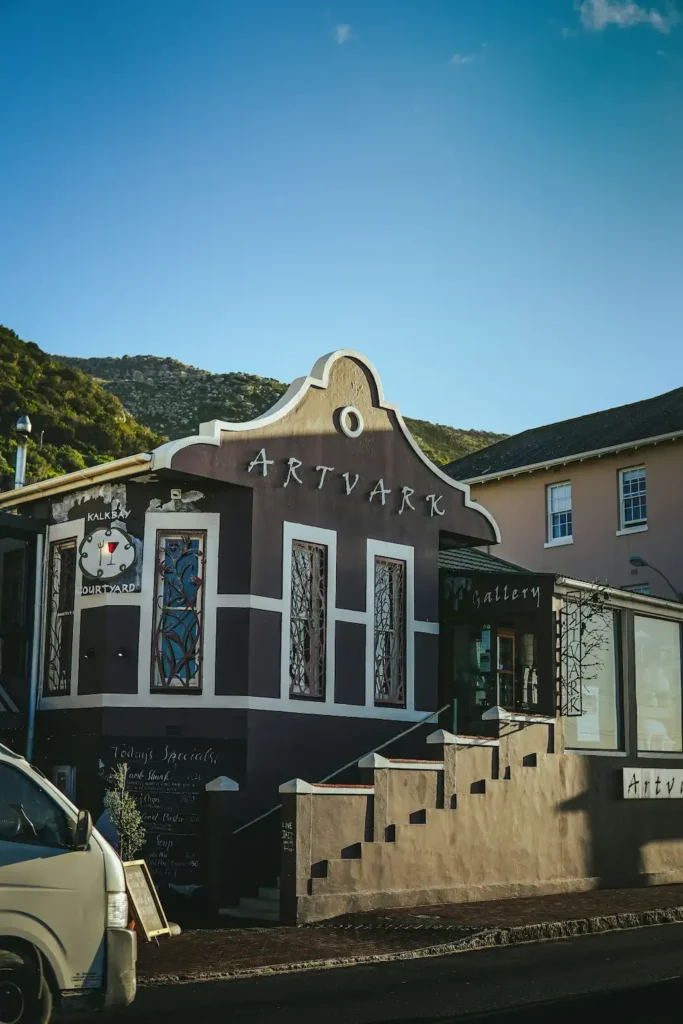
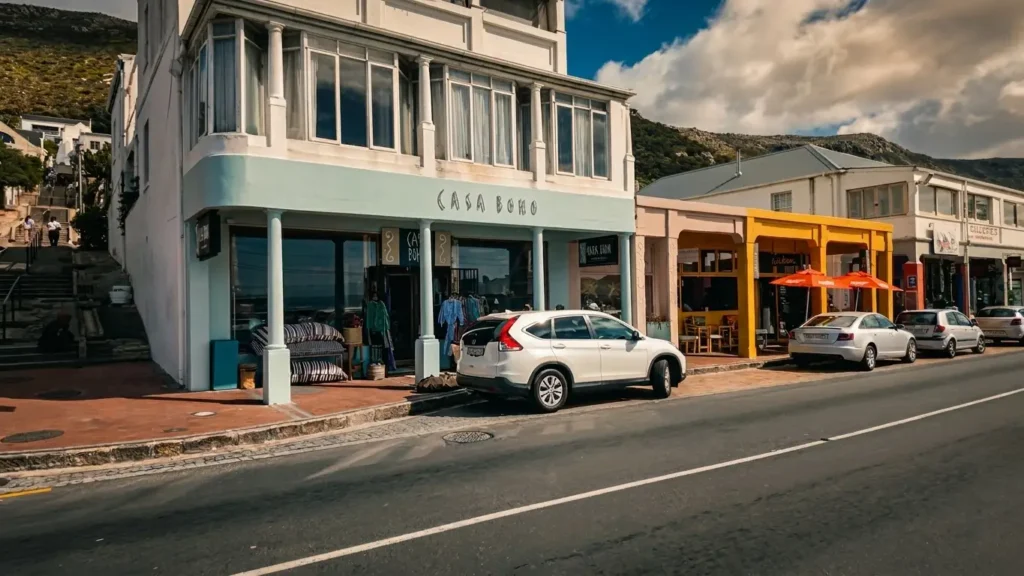
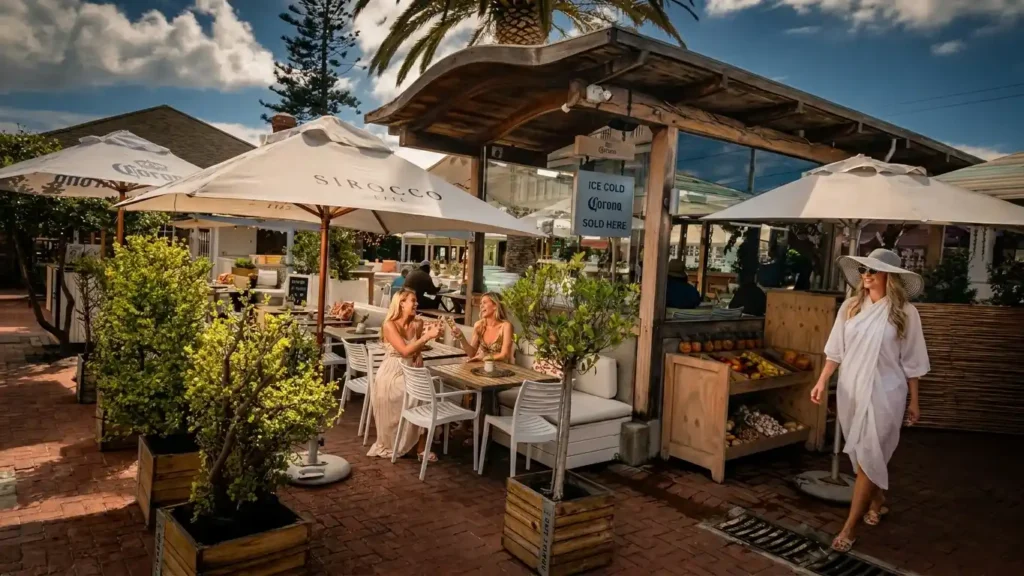
The village has accumulated galleries, antique shops, and restaurants along Main Road over decades. Quagga Rare Books and Art, established 25 years ago by George and Simon Curtis, stocks rare books, maps, vintage prints, and artwork across multiple genres and time periods. The staff offer valuations and can guide you through their collections.
Gypsy Kalk Bay opened in 2002 and sells bohemian clothing, home décor, and one-off gifts. SKA Clothing, established in 1997, draws on Thai beach culture and Goan trance aesthetics. Kalk Bay Quarter has operated since 1996, offering jewellery, pre-loved books, and local crafts. Kalk Bay Trading Post specializes in vintage and handmade items. Kalk Bay Modern is a contemporary art gallery on the first floor of Olympia Buildings, showing painting, ceramics, and jewellery by South African artists, with a framing service and a small shop.
Paul B Dixon Wildlife Studio is the working space of artist Paul B Dixon, who paints animals with detailed realism. The artist is often present and welcomes visitors.
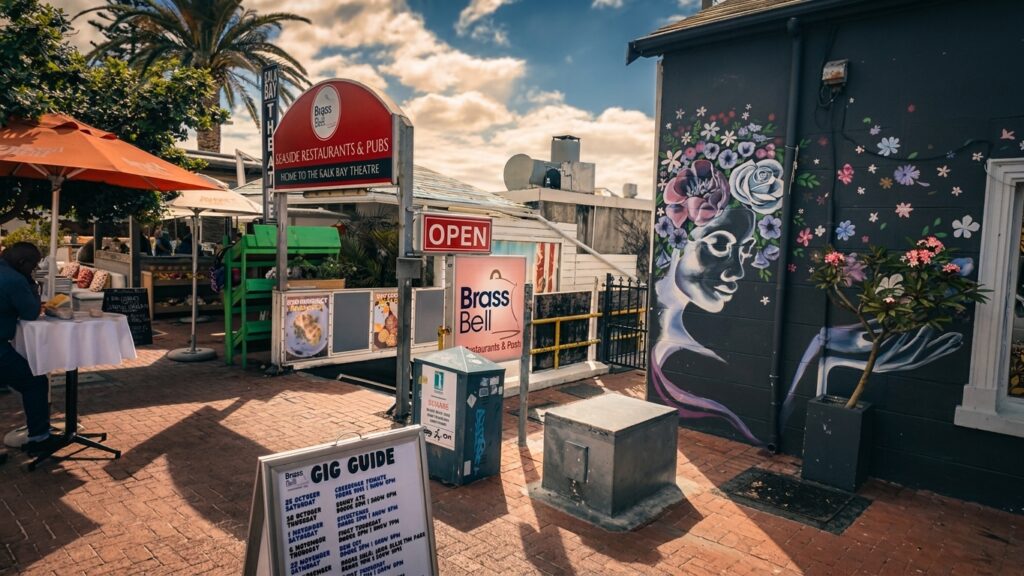
For food, the famous Kalky’s is found within the harbour precinct, serving superb fish and chips, calamari, and snoek in a laid-back setting. The Brass Bell, built in 1939 as a pavilion and pool and now expanded into a multi-venue complex, offers seafood, sushi, tapas, and cocktails with views across False Bay. Access is via the steps under the railway line.
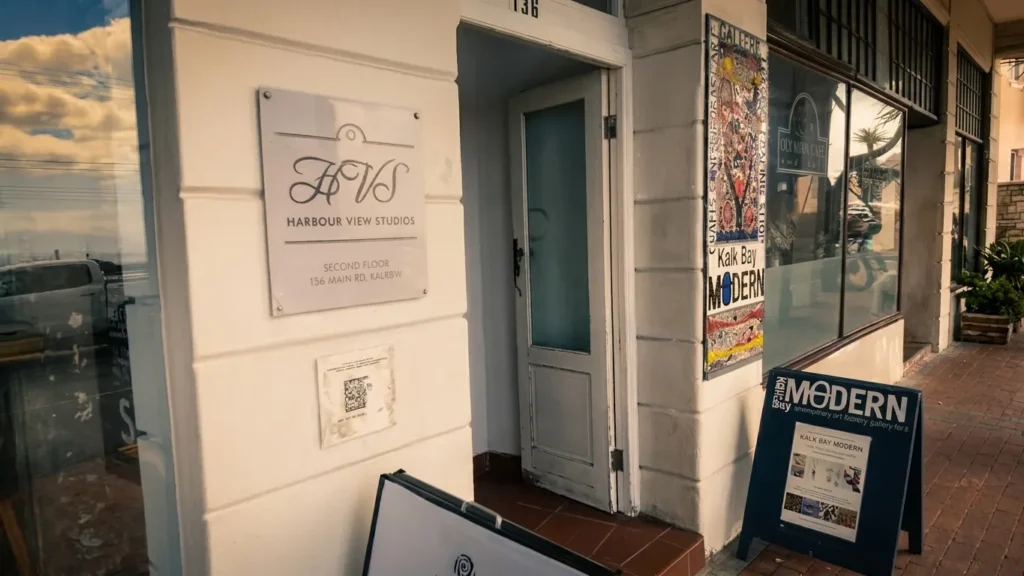
Olympia Cafe opened in 1997. Previously a fish & bait shop, it evolved into a cafe and deli, known for fresh seafood and baked goods. The bakery premises were originally the Olympia Picture Palace and still later the Olympia Bioscope. Visiting the cafe last year with award-winning journalist Cindy-Lou Dale, we were lucky enough to be enteratined by a pianist inside the bakery! And yes, the coffee is as good as you’ve been led to believe.
Lekker Kalk Bay serves breakfast, lunch, and dinner at reasonable price, the Jumping Jacks (bacon, strawberries, mascarpone, and maple syrup) is a signature dish. No visit to Kalk Bay is complete without taking a turn by Cape to Cuba. This local institution serves Cuban-inspired food and cocktails; operates cashless and is not to be missed.
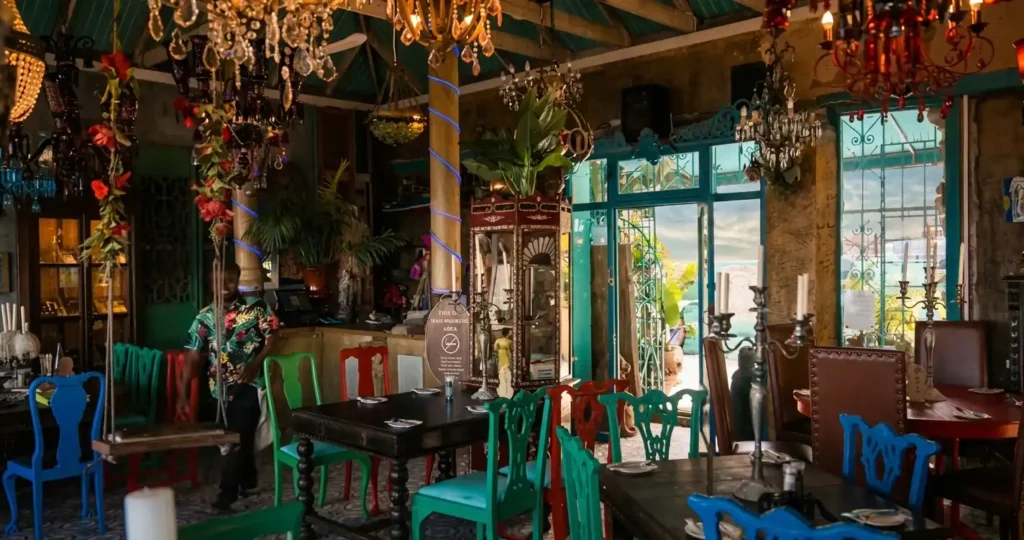
Kalk Bay Theatre, run by Vanessa Harris and Ash Searle, stages cirque, burlesque, cabaret, and other performances with views of the coastline.
You can easily spend the entire day here, browsing the dusty bookstores, ferretting out delightful antiques and nicknacks and enjoying the magical atmosphere of this historic village.
Hiking
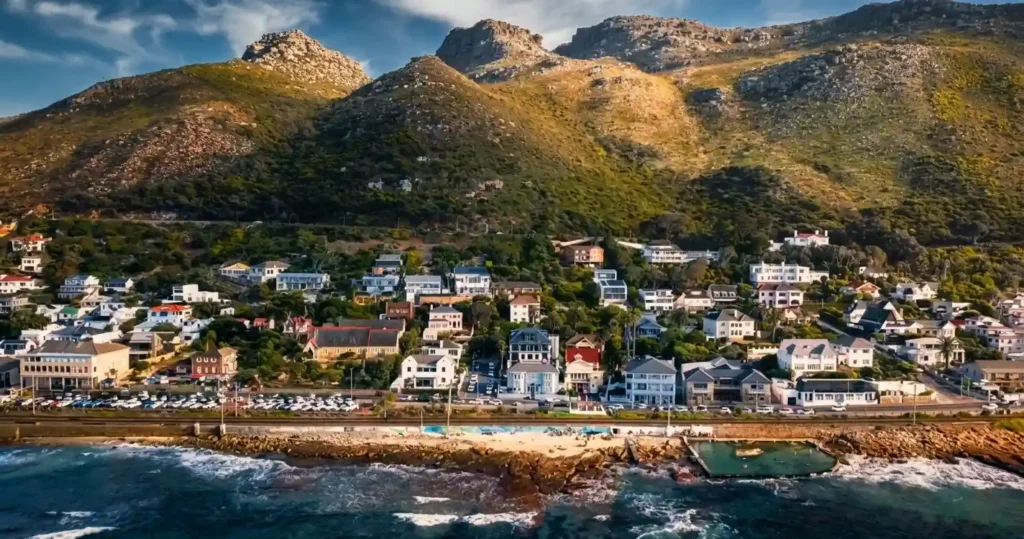
Two established trails depart from Silver Mine Nature Reserve in the hills above Kalk Bay. The Echo Valley hike covers about 4 kilometres and takes roughly two hours. The route includes steep sections, rocky paths, and forest passages. Boomslang Cave is a somewhat scary feature, a natural cavern that runs through the mountain, cool and cave-like but not too intimidating.
As a scout we used to come here and find our way through the caves with ease. I don’t for a moment believe that I’d fit through the narrow openings now, but for the adventurous souls, it a magnificent way to experience the mountain. The Weary Willy trail branches from Echo Valley and caters to mixed ability levels, with forest, streams, and spectacular viewpoints along the way.
Both trails offer views and plant diversity. They’re not technically difficult but are best done in reasonable weather and daylight. Also be aware that hikers have been attacked in this area, so go with a large organised group rather than attempting it on your own.
Where to Stay
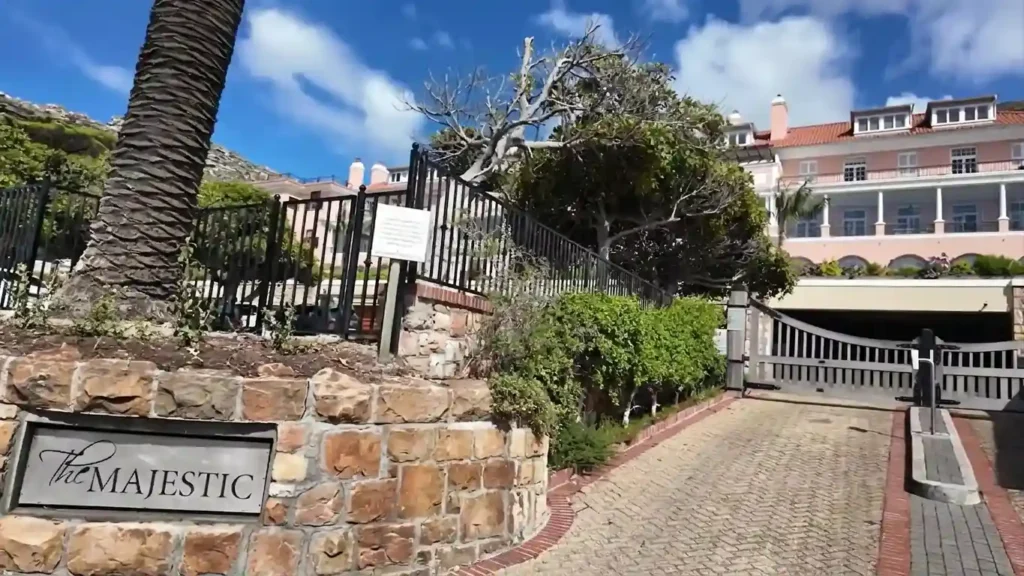
Three guesthouses provide accommodation in the immediate village area on Gatesville Road.
The Inn at Castle Hill is an Edwardian villa with harbour and ocean views. Chartfield Guesthouse has 16 rooms overlooking the harbour and False Bay, with a hillside position that places you in the centre of the village. Kalk Bay Guest House is managed by Ashleigh and Costa Brooks and includes a garden; it’s about 35 minutes from central Cape Town.
All three are within walking distance of Main Road shops and restaurants.
Practical Details for International Visitors
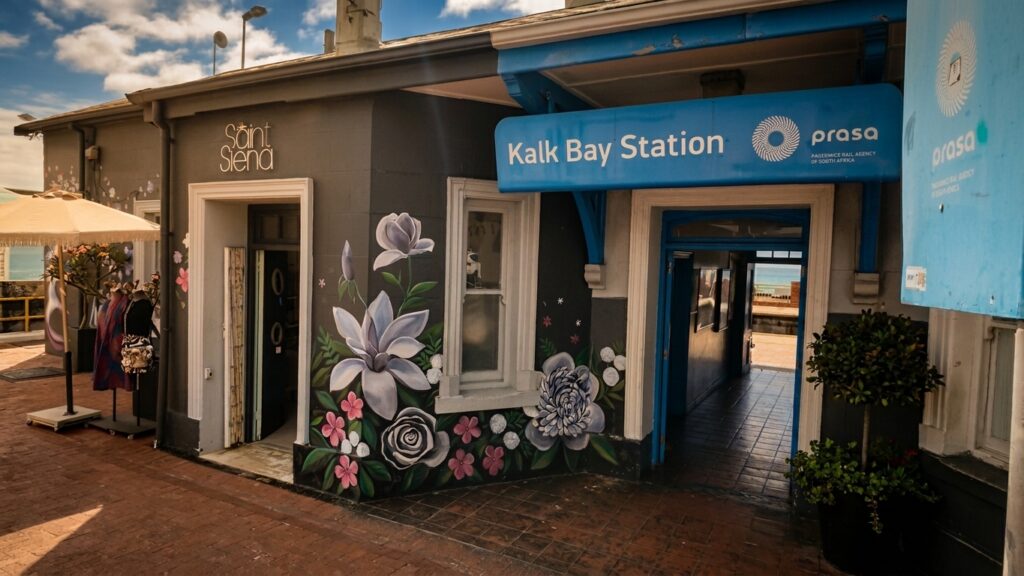
Bring cash. Some establishments (like Cape to Cuba) are cashless, but not all shops and smaller places accept cards. There are ATMs in the village at the train station.
The train ride from central Cape Town to Kalk Bay Station is straightforward and costs little. A return ticket will set you back around R26, and during peak times, trains run every 30 minutes. Off-peak the train appears every hour and you can check the schedule online via the website. Driving gives you greater flexibility, though parking can tighten during summer weekends and in early evening. Also expect weekend traffic to be frustrating, especially during the summer months.
Kalk Bay is windy, especially in summer (December – February). Bring layers and wind-resistant clothing.
September and October are the best months for whale watching. Summer (December – February) is warmest but crowded. Winter (June – August) is cooler and quieter. Spring (September – November) and autumn (March – May) offer moderate temperatures and fewer tourists and in my opinion is the perfect time to enjoy the village without the crowds.
The village has no major supermarkets, so if you’re self-catering, shop elsewhere and bring what you need. FIsh Hoek offers both a Pick n Pay and Shopright super market together with
Most of what you want is on or just off Main Road. You don’t need a car to get around once you’re there. The tidal pools, the hiking trails, the galleries, and the restaurants are all within a 10 – 15 minute walk of the harbour.