
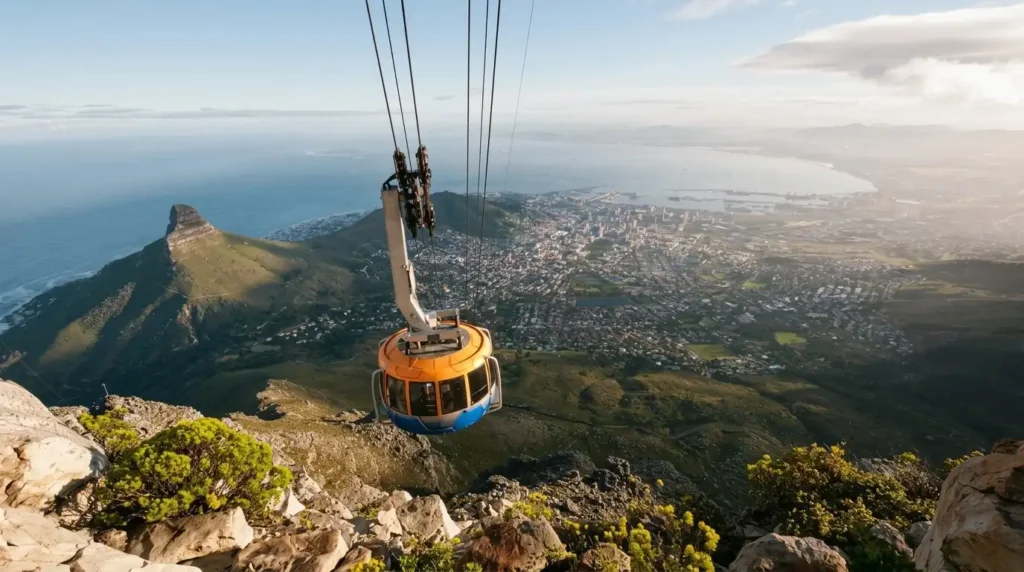
There are few cities in the world that enjoy quite such an extraordinary relationship with their natural surroundings as Cape Town. And then there is the Table Mountain cable car, allowing visitors access to that enormous sandstone sentinel which seems to have appointed itself guardian of the Mother City. It dominates the skyline, catches the first light of morning, occasionally disappears beneath its famous white tablecloth and, on particularly spectacular days, makes even the most hardened local stop whatever they are doing to admire it.
For visitors, getting to the top is something of a pilgrimage. You can spend several hours sweating your way up one of its demanding hiking routes, or you can take the considerably more civilised option, the Table Mountain Aerial Cableway. In approximately five minutes, this remarkable engineering achievement transports you from the lower slopes to a world of extraordinary panoramas, ancient geological formations and botanical treasures. The views are spectacular, certainly, but the real surprise is what awaits you once you step out of the Table Mountain cable car.
A Quick Overview of the Table Mountain Cable Car
| Visitor question | Essential information |
| Where is the Table Mountain Cableway? | Lower Cable Station, Tafelberg Road, Cape Town, South Africa |
| How high is the upper station? | Approximately 1,067 metres above sea level |
| How long is the journey? | Approximately 4 – 5 minutes |
| How far does it travel vertically? | Approximately 704 metres (2,310 feet) |
| How many passengers fit in ther Table Mountain cable car? | Up to 65 |
| Does the Table Mountain cable car rotate? | Yes, its floor rotates through 360 degrees |
| What does an adult return ticket cost? | R475 online (2026/27 tariff) |
| What does a child return ticket cost? | R230 online, ages 4 – 17 |
| Do children under four pay? | No |
| Does the cableway operate every day? | It operates daily, weather permitting, subject to maintenance closures |
| How long should I allow? | Approximately 2 – 3 hours, longer if exploring the summit |
| Can wheelchair users visit? | Yes, accessible facilities and designated pathways are available |
| Can I hike up and take the Table Mountain cable car down? | Yes, provided the cableway is operating |
| What is the official website? | https://www.tablemountain.net/ |
Important: Ticket prices and operating hours can change. Always check the official website before travelling, particularly if your visit depends on a particular time of day.

The Table Mountain Aerial Cableway Facts
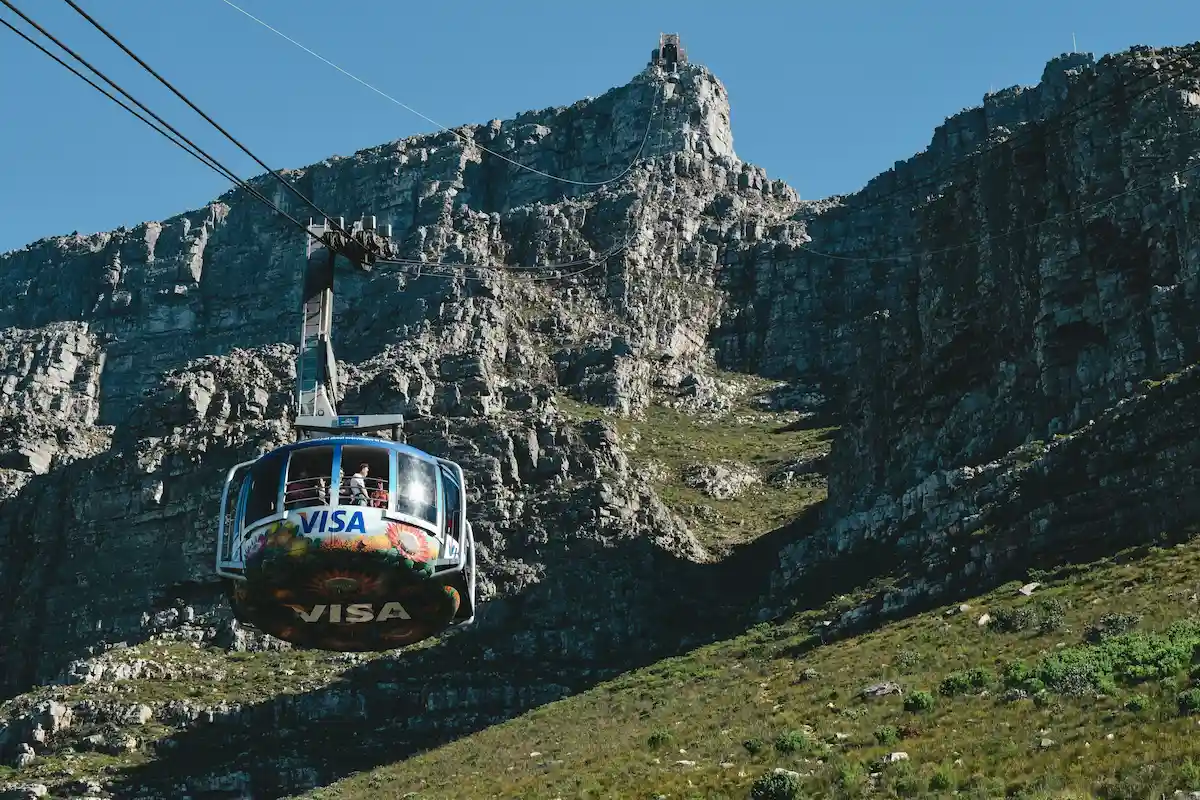
The Table Mountain Aerial Cableway has been transporting visitors to the summit since 4 October 1929. In the intervening decades, it has become one of South Africa’s best-known tourist attractions and an essential experience for anyone visiting Cape Town.
The modern cableway is considerably more sophisticated than the original installation. Its two rotating Rotair cable cars carry up to 65 passengers each, travelling at speeds of up to 10 metres per second. The journey covers a vertical distance of approximately 704 metres, taking passengers from the lower station to the upper station at around 1,067 metres above sea level.
The ride is surprisingly smooth, although those unfamiliar with cableways may experience a moment of apprehension as the cabin leaves the safety of the departure platform and glides out over the mountain slopes.
Then the floor starts rotating.
It is a rather clever arrangement. Instead of passengers jostling for the best window position, the entire cabin slowly revolves, providing everybody with changing perspectives of the city, coastline and mountain. The experience is over almost before you have properly decided which view you prefer.
And that, as it happens, is only the beginning.
How the Table Mountain Cableway Came to Be
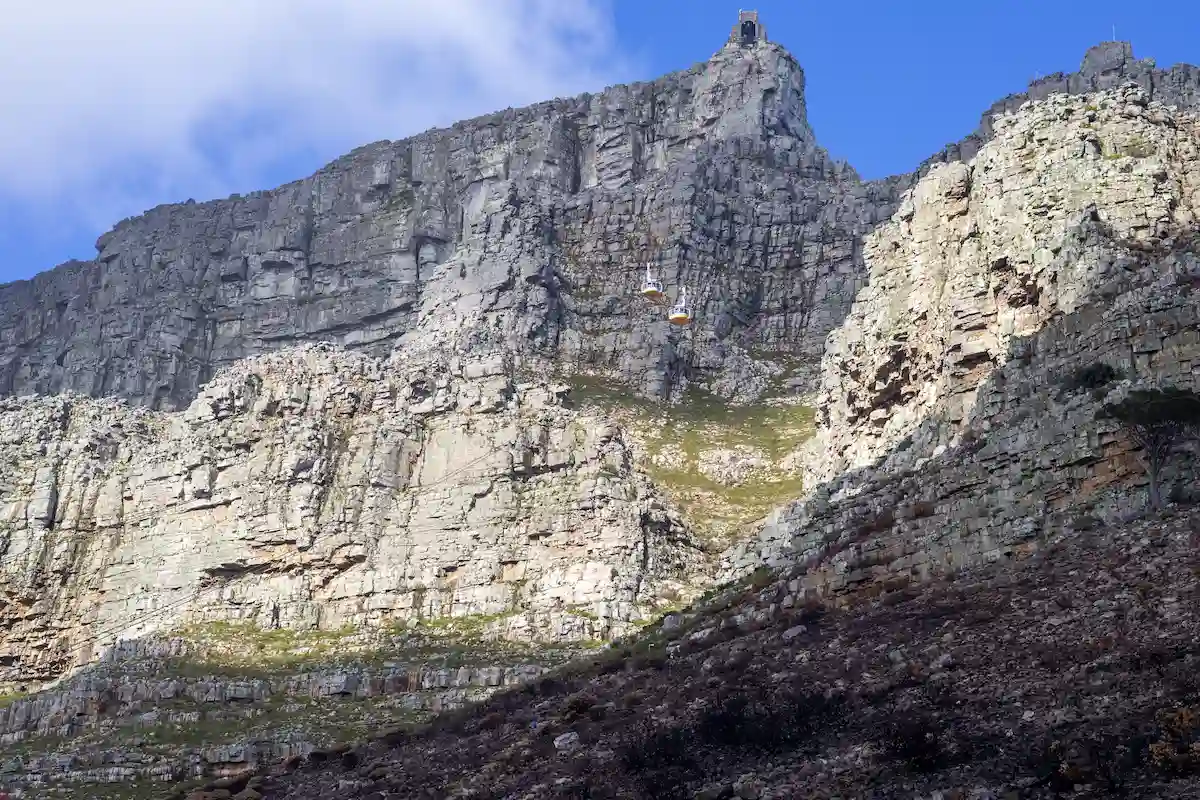
The idea of providing easier access to Table Mountain is considerably older than the cableway itself.
As far back as the 1870s, Cape Town residents were discussing ways of making the summit accessible without requiring visitors to undertake a strenuous climb. Early proposals included a railway running up the mountain.
In 1912, the City Council commissioned an investigation into possible transport options. One proposal involved a funicular railway travelling from Oranjezicht through Platteklip Gorge.
The First World War interrupted progress, and the project remained dormant for several years.
It was Norwegian engineer Trygve Strømsøe who revived the idea in 1926, proposing an aerial cableway. Construction began shortly afterwards, with the lower and upper stations and associated infrastructure representing a considerable engineering undertaking for the period.
The project cost approximately £60,000, equaivalent to almost R32 Million in 2026 money, a substantial sum in 1920s South Africa.
On 4 October 1929, the cableway officially opened. The original wooden cable car, complete with a metal roof, could transport 19 passengers and a conductor. The journey took approximately ten minutes.
The cableway underwent significant improvements in 1958 and 1974, with each upgrade introducing more modern equipment and greater passenger capacity.
However, the most significant transformation came in 1997.
A major reconstruction introduced the modern rotating cable cars, increased passenger capacity to 65 people per cabin and substantially improved operating efficiency. The new installation also reduced the journey time.
The cableway celebrated its 95th anniversary in 2024, by which time it had transported more than 31 million passengers.
It is quite a record for a transport system that began with a wooden box suspended above a mountain.
What Makes the Cableway So Interesting?

Most visitors are understandably preoccupied with the view, but there is some fascinating engineering taking place above their heads.
The present cableway uses two large rotating cabins operating on a sophisticated cable system. Each cabin can carry up to 65 passengers, with a maximum carrying capacity of approximately 5,200 kg.
The system can travel at speeds of up to 10 metres per second, allowing the cableway to transport hundreds of passengers per hour.
Some of the more interesting technical details include:
- The cables are approximately 1.2 kilometres long.
- Each cable weighs approximately 18 tonnes.
- The counterweights weigh approximately 134 tonnes each.
- Each cabin incorporates a 360-degree rotating floor.
- The cabins have water tanks incorporated into their bases, providing ballast in windy conditions.
The rotating floor is particularly ingenious. It allows passengers to experience the surrounding landscape without having to move around inside a crowded cabin.
The circular design also helps reduce wind resistance.
There is another interesting detail. According to the operator’s historical information guide, the cabins incorporate water tanks with a capacity of approximately 3,000 litres. This water is used as ballast during windy conditions and can also provide a supply of fresh water.
It is a practical solution to a problem that anyone who has spent time on Table Mountain will understand – the wind can be extraordinarily powerful.
An Environmentally Conscious Cableway
The cableway has also invested in reducing its environmental footprint.
Its 2024 annual report describes a range of initiatives involving water conservation, recycling and energy efficiency.
One particularly interesting feature is the generation of electricity during the descent of the cable cars. The operator reports that approximately 1,500 kWh of electricity per month is fed back into the electricity grid through this system.
Water-saving initiatives include recycling toilets, waterless urinals, dual-flush mechanisms and sensor-operated taps.
The company also reports that relocating its production kitchen to the lower station saved approximately one million litres of water.
These are details worth knowing when visiting an attraction situated within such an environmentally sensitive landscape.
What Happens When You Reach the Summit?
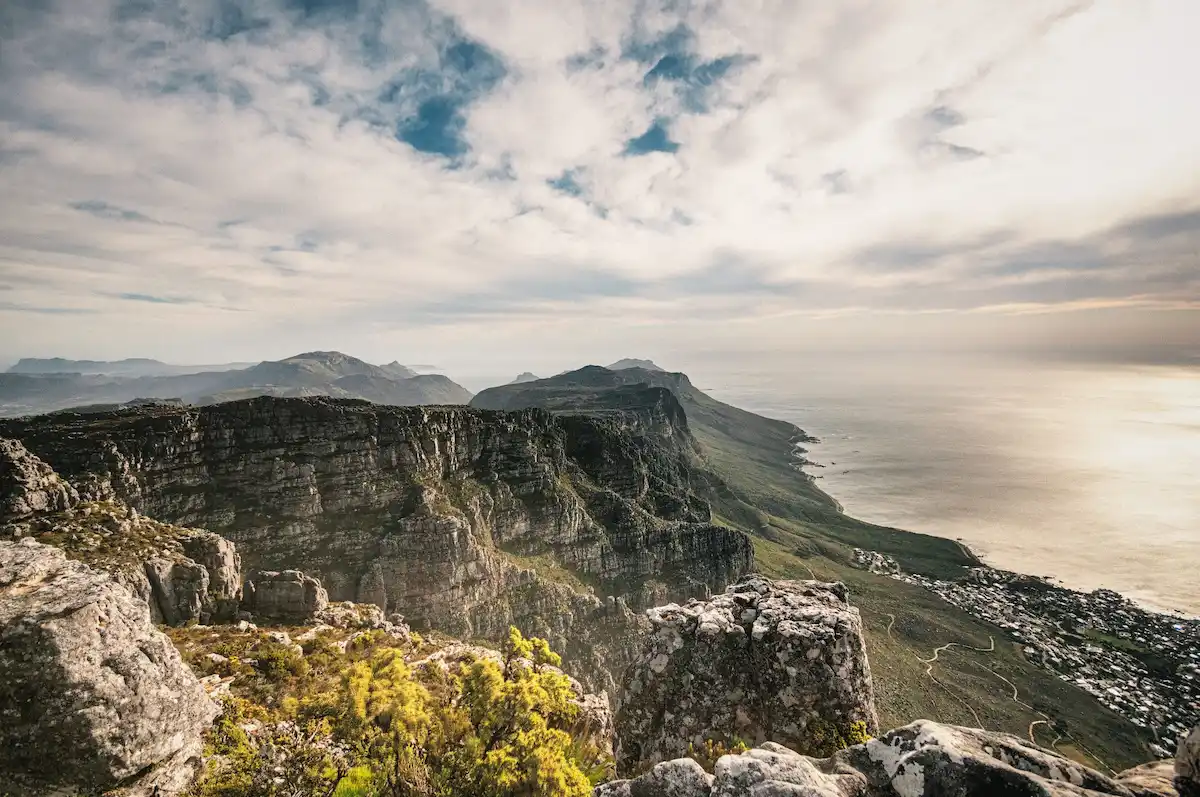
Stepping out of the Table Mountain cable car is rather like entering another world.
The city that seemed so large from below suddenly becomes a collection of recognisable landmarks, buildings and roads. The Atlantic Ocean stretches towards the horizon, while the Twelve Apostles form a dramatic mountain backdrop to the south.
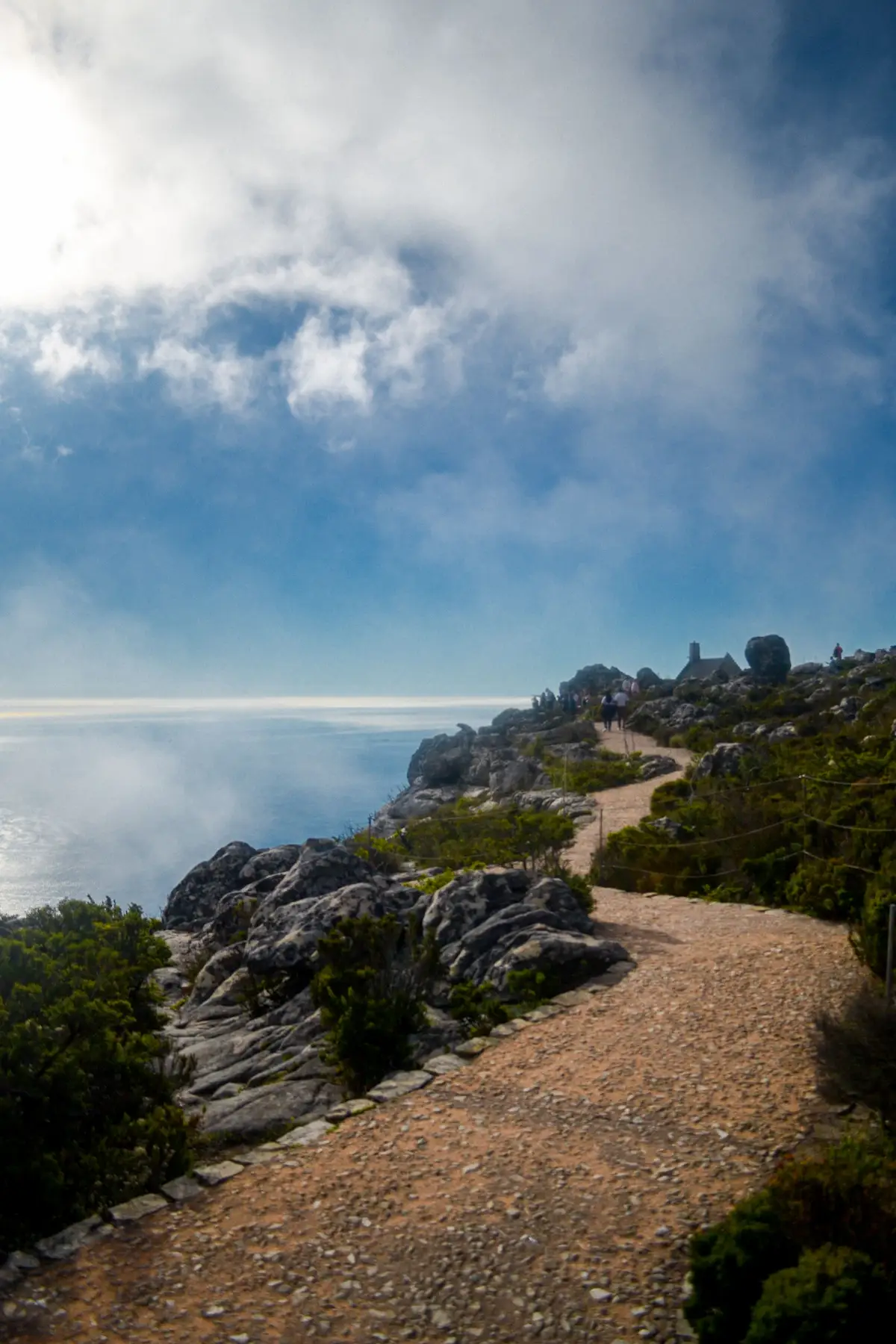
The summit itself is an expansive plateau of exposed sandstone, rocky outcrops, indigenous vegetation and winding pathways.
It is worth remembering that the upper cable station is not actually at the highest point of Table Mountain. That distinction belongs to Maclear’s Beacon, which rises to approximately 1,085 metres above sea level.
The upper station is at approximately 1,067 metres.
This means that visitors have an opportunity to explore considerably more of the mountain than the immediate area around the cable station.
The Walking Trails
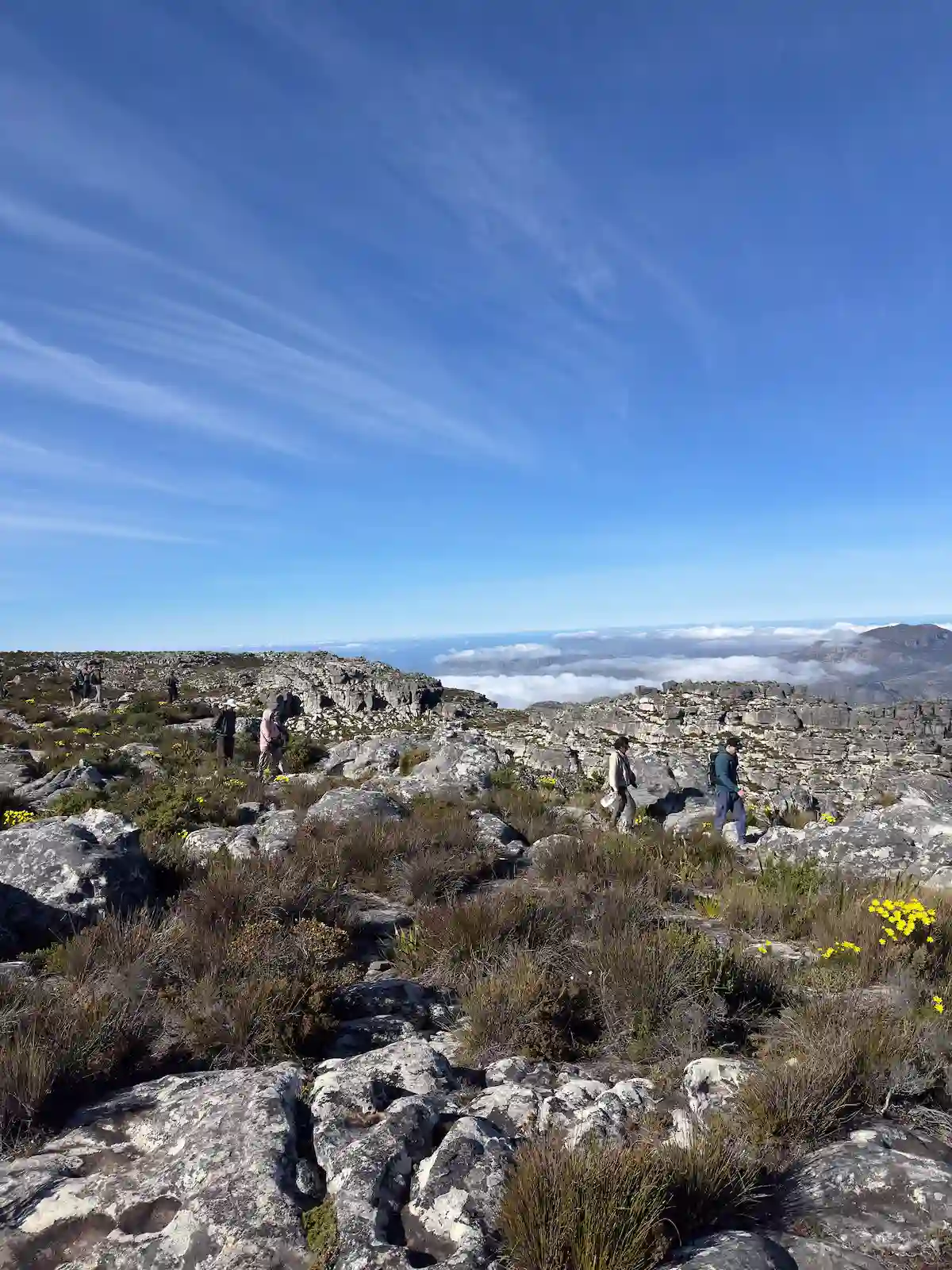
Several established pathways allow visitors to explore the summit without undertaking a demanding mountain hike.
The shorter walks provide access to different viewpoints overlooking Cape Town, Table Bay, the Atlantic Seaboard and the southern peninsula.
Some paths are relatively level and suitable for visitors who simply want to stretch their legs and enjoy the scenery. Others involve uneven sandstone, steps and exposed rocky sections.
The Klipspringer Walk is among the established summit routes, while the Maclear’s Beacon walk offers a longer excursion towards the mountain’s highest point.
Free guided walking tours are also available. These provide a useful introduction to the mountain’s geology, vegetation and history.
For independent explorers, the official cableway website provides audio tours that can be downloaded before visiting.
Maclear’s Beacon – Standing on Top of Table Mountain
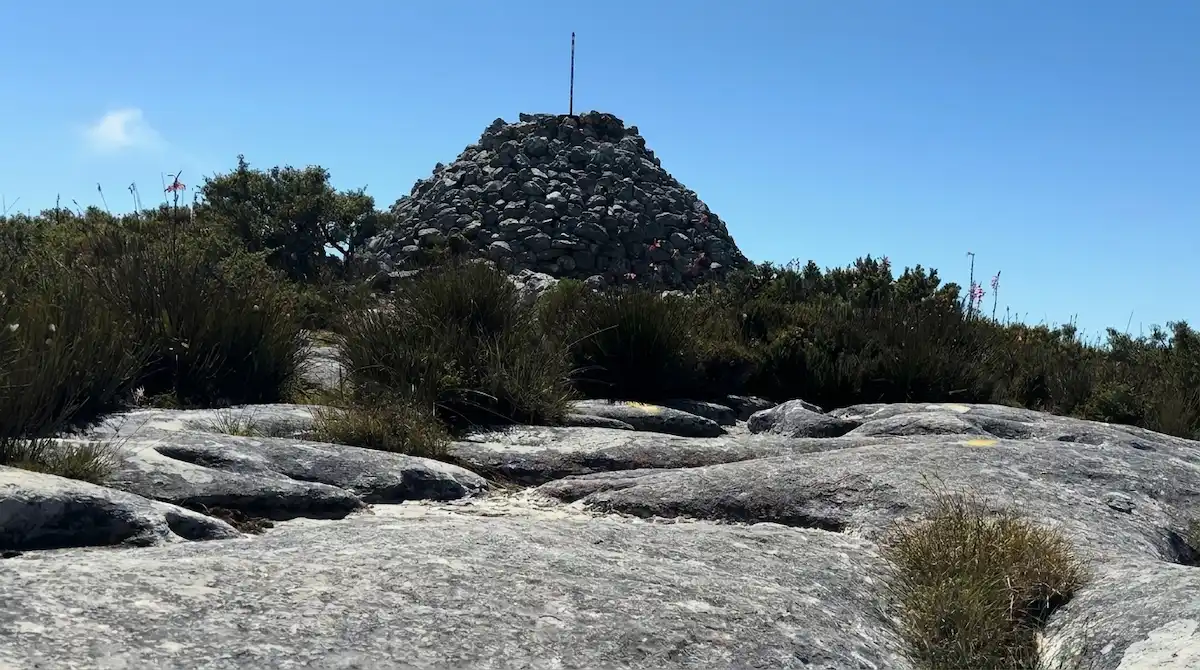
If you have the time and the weather is favourable, consider walking to Maclear’s Beacon.
This is the actual highest point on Table Mountain, approximately 18–21 metres higher than the upper cable station, depending on the elevation reference used.
The walk follows established paths and takes visitors across the Western Table towards the stone beacon.
Allow approximately 45–60 minutes each way, depending on your walking pace and conditions.
The terrain is generally manageable for reasonably fit visitors, but there are rocky sections, including an area where chains and handholds assist with negotiating the route.
Do not attempt this walk in mist or poor visibility. Table Mountain’s summit can become disorientating when cloud descends, and apparently familiar landmarks disappear.
The experience is worth the extra effort. You have climbed to the highest point of one of the world’s most recognisable mountains, and the views are an entirely different reward from those immediately surrounding the cable station.
Table Mountain’s Extraordinary Biodiversity
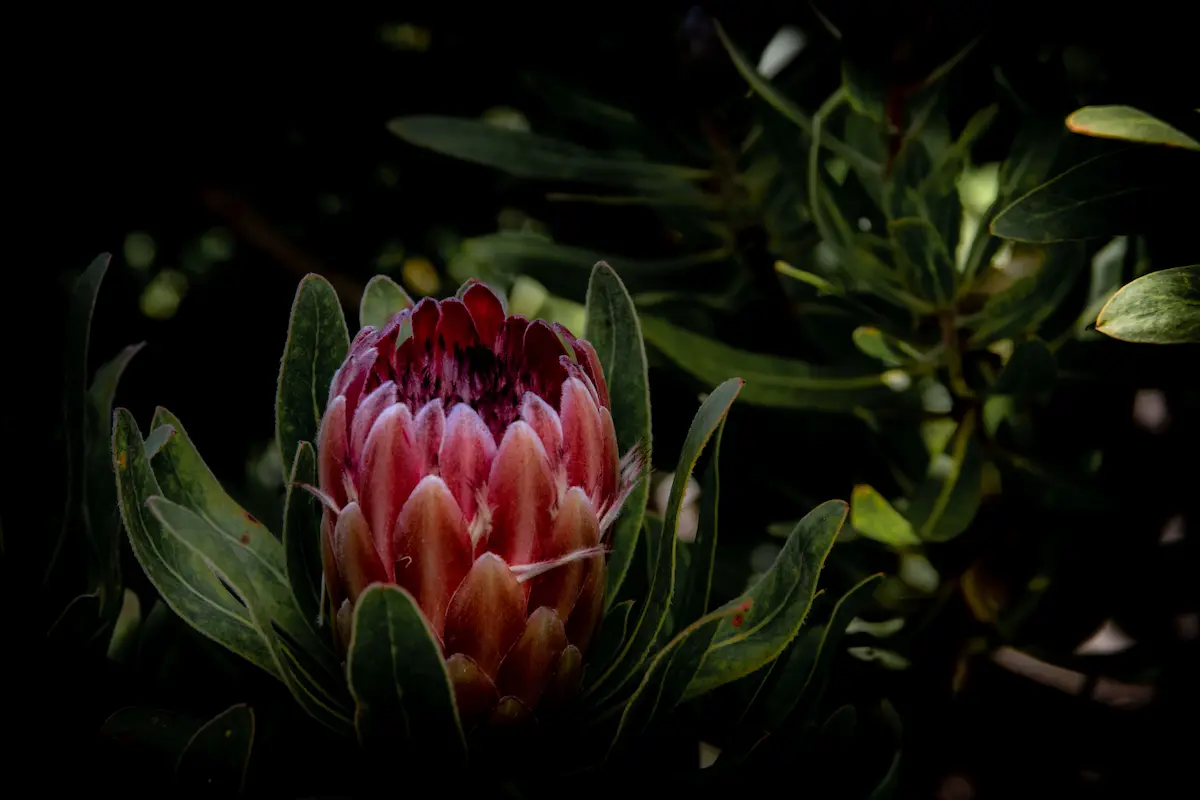
One of the greatest mistakes visitors make is assuming that Table Mountain is simply a large rock with a spectacular view.
It is, in fact, one of the most remarkable botanical environments on Earth.
The mountain forms part of the Cape Floral Region Protected Areas, a UNESCO World Heritage Site inscribed in 2004. This region is recognised internationally for its extraordinary plant diversity and exceptionally high levels of endemism.
Fynbos is the dominant vegetation type. The name comes from Afrikaans and roughly translates as fine bush, referring to the small, often needle-like leaves of many of its plants.
Among the familiar botanical groups are:
- Proteas, including the magnificent king protea.
- Ericas, with their delicate flowers and extraordinary diversity.
- Restios, the fine, reed-like plants that characterise much of the landscape.
- Geophytes, including bulbs that often produce spectacular flowers following seasonal rains and fires.
Many species are found nowhere else in the world.
A butterfly and a flower with a remarkable relationship
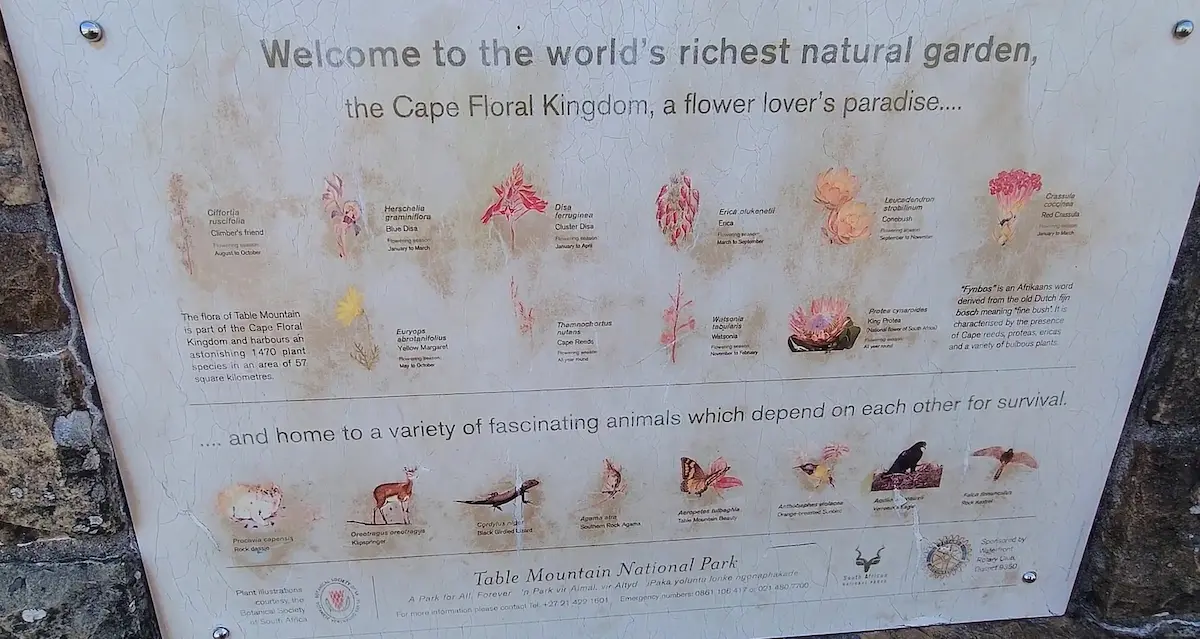
One particularly fascinating ecological relationship involves the red disa orchid and the Table Mountain Beauty butterfly (Aeropetes tulbaghia).
The butterfly is an important pollinator of the red disa. According to the cableway company’s 2024 annual report, the relationship is so specialised that the orchid relies on this butterfly for pollination.
It is an extraordinary example of how interconnected the mountain’s ecosystem is.
The next time you spot a butterfly moving across the summit, remember that you are looking at something considerably more important than an attractive addition to a holiday photograph.
The mountain is also home to rock hyraxes, commonly known as dassies, various lizards, insects and numerous bird species.
The dassies are particularly entertaining. They often appear remarkably comfortable around visitors, although feeding or disturbing wildlife is never appropriate.
What Can You Actually See From the Top?
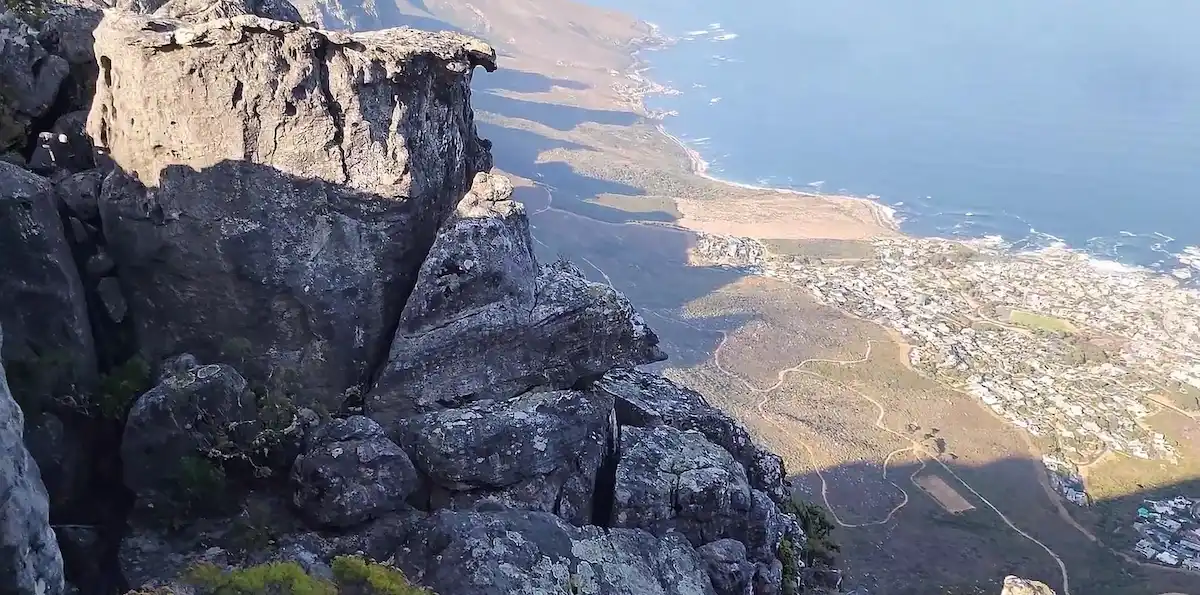
The views from Table Mountain are among the finest in South Africa.
Depending on visibility and weather conditions, visitors can identify an extraordinary collection of geographical landmarks.
| Direction | What you can see |
| North | Cape Town City Bowl, Table Bay and Robben Island |
| Northwest | Signal Hill, Lion’s Head and the Atlantic coastline |
| West | Camps Bay, Clifton and the Twelve Apostles |
| Southwest | The Cape Peninsula and the Atlantic coastline |
| South | Hout Bay and the mountainous spine of the peninsula |
| Southeast | Kirstenbosch, Constantia and the southern suburbs |
| East | Devil’s Peak and the wider Cape Fold Mountain landscape |
On exceptionally clear days, the distant coastline and mountain ranges become visible with remarkable clarity.
The experience changes throughout the day. Morning light is often excellent for photography, while late afternoon can produce wonderful golden tones over the city and Atlantic Ocean.
Sunset visits are particularly attractive during the warmer months, although visitors must remember the last descent time.
The Famous Table Mountain Tablecloth
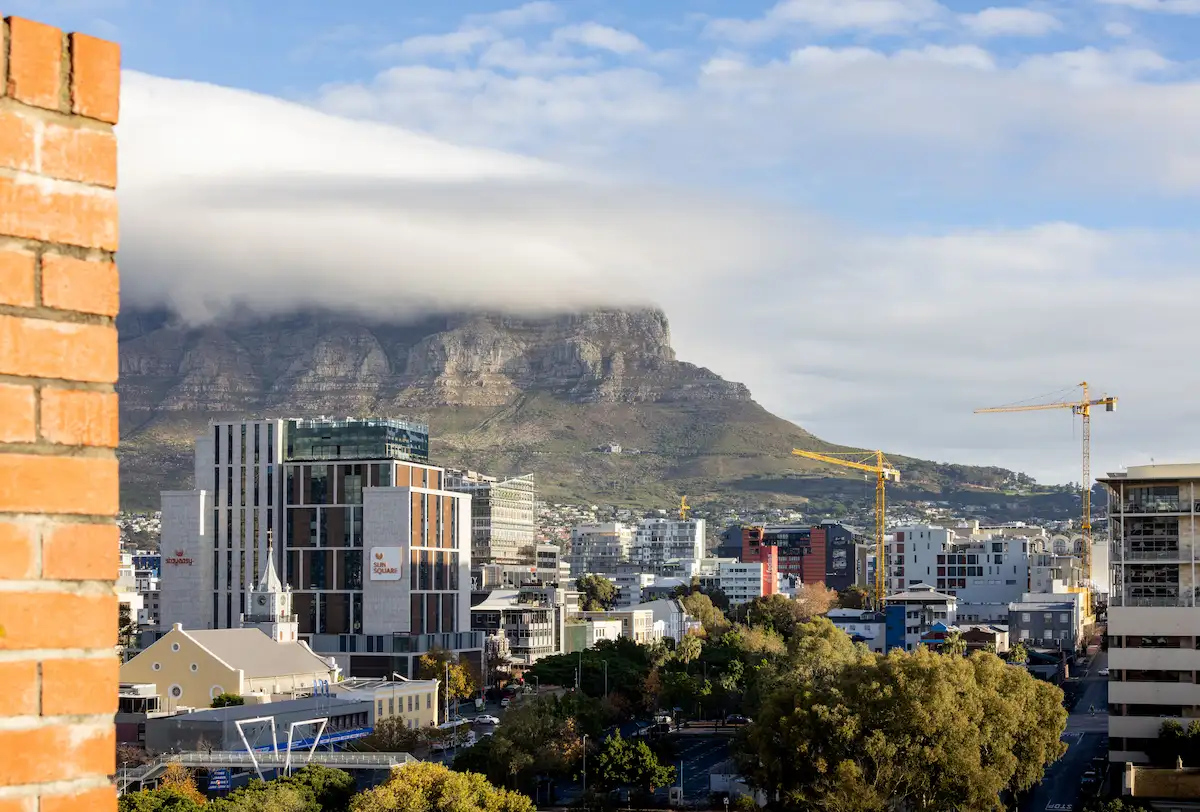
Perhaps the mountain’s most recognisable meteorological feature is its tablecloth.
This is the white blanket of cloud that sometimes spills over the summit and cascades down the slopes, creating the appearance of a waterfall.
It is associated with the south-easterly wind, locally known as the Cape Doctor.
Moist air is forced upwards as it encounters the mountain, cooling as it rises. When conditions are right, condensation produces the distinctive cloud formation.
The effect can be spectacular from the city.
For cableway passengers, however, it is a reminder that the weather at the summit can be dramatically different from the conditions at sea level.
Restaurants, Refreshments and Facilities at the Top
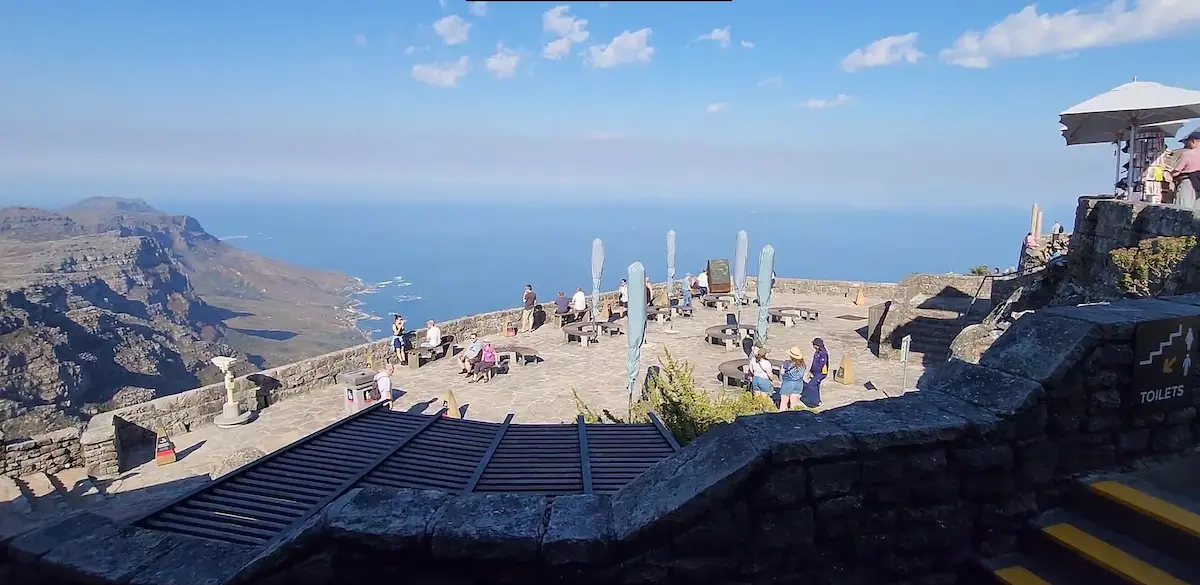
You do not need to pack a picnic basket to spend a few hours on Table Mountain.
There are several food and beverage outlets associated with the cableway, including TEN67 Eatery, VIEWS by De Grendel and KLOUD Bar.
TEN67 Eatery offers a casual dining experience, with meals, snacks, pastries, coffee and other refreshments.
VIEWS by De Grendel provides a more relaxed wine-bar atmosphere, while KLOUD Bar offers drinks and snacks on the Twelve Apostles Terrace.
The facilities also include:
- Public toilets.
- A Wi-Fi lounge.
- Gift shops and souvenir outlets.
- Viewing areas and terraces.
- Information facilities.
- Accessible pathways in designated areas.
Opening times for individual outlets differ from those of the cableway, so check the operator’s website if you intend to eat at a particular venue.
There is something rather appealing about sitting with a coffee while watching the city continue its busy business far below.
Table Mountain Cable Car Tickets and Prices 2026/27
Ticket prices are an important consideration, particularly for families and international visitors travelling on a budget.
The following prices apply from 1 July 2026 to 30 June 2027.
| Ticket category | Return | One-way |
| Adult online | R475 | R300 |
| Adult ticket office | R530 | R330 |
| Child online (4–17) | R230 | R165 |
| Child ticket office (4–17) | R270 | R180 |
| South African senior citizen | R130 | R70 |
| Student | R320 | R200 |
| Fast Track adult | R1,200 | R750 |
Children under four travel free.
Senior concessions are available to qualifying South African citizens aged 60 and older with valid identification. Student discounts require a valid student card and are purchased at the ticket office.
Fast Track tickets allow visitors to bypass the standard queue, subject to the booking arrangements and availability.
Where Should You Buy Tickets?
The official cableway website directs visitors to Webtickets, its recognised ticketing partner.
You can purchase tickets online, through the official WhatsApp ticketing route or at the lower station.
Online tickets are generally cheaper than buying standard adult tickets at the ticket office.
Standard tickets are valid for seven days, and unused tickets may be eligible for a refund under the operator’s terms and conditions.
However, buying online does not guarantee that you will walk straight onto a cable car. Queues can still develop during busy periods.
For the latest prices and booking arrangements, visit:
South African Birthday Special
One of the cableway’s particularly popular offers is its birthday special for South African residents.
Qualifying South African residents can enjoy a complimentary cableway ticket during their birthday month, subject to the operator’s terms, eligibility requirements and identification checks.
Check the current birthday special directly with the operator before visiting, as promotional conditions can change.
Table Mountain Cableway Operating Hours
The cableway operates throughout the year, weather permitting.
Its operating hours change seasonally, with longer days during the Cape’s summer months and shorter hours in winter.
The published seasonal timetable is as follows:
| Period | First car up | Last car up | Last car down |
| February–March | 07:30 | 19:00 | 20:00 |
| April | 07:30 | 18:30 | 19:30 |
| May–August | 08:30 | 17:00 | 18:00 |
| September–October | 08:30 | 18:00 | 19:00 |
| November | 07:30 | 19:00 | 20:00 |
| December–January | 07:30 | 20:00 | 21:00 |
These are published seasonal operating times, not a guarantee of service on a particular day.
Always check the official operating-hours page before setting out:
Annual Maintenance Closures
The cableway undergoes scheduled annual maintenance, generally during the winter months.
During this period, the cable cars stop operating while technical teams carry out inspections, servicing and essential maintenance.
The 2026 maintenance closure ran from 27 July to 9 August.
If your Cape Town visit coincides with the next annual maintenance period, remember that the cableway will not be available as a means of reaching or leaving the summit.
The Most Important Thing To Understand About the Weather When Visiting
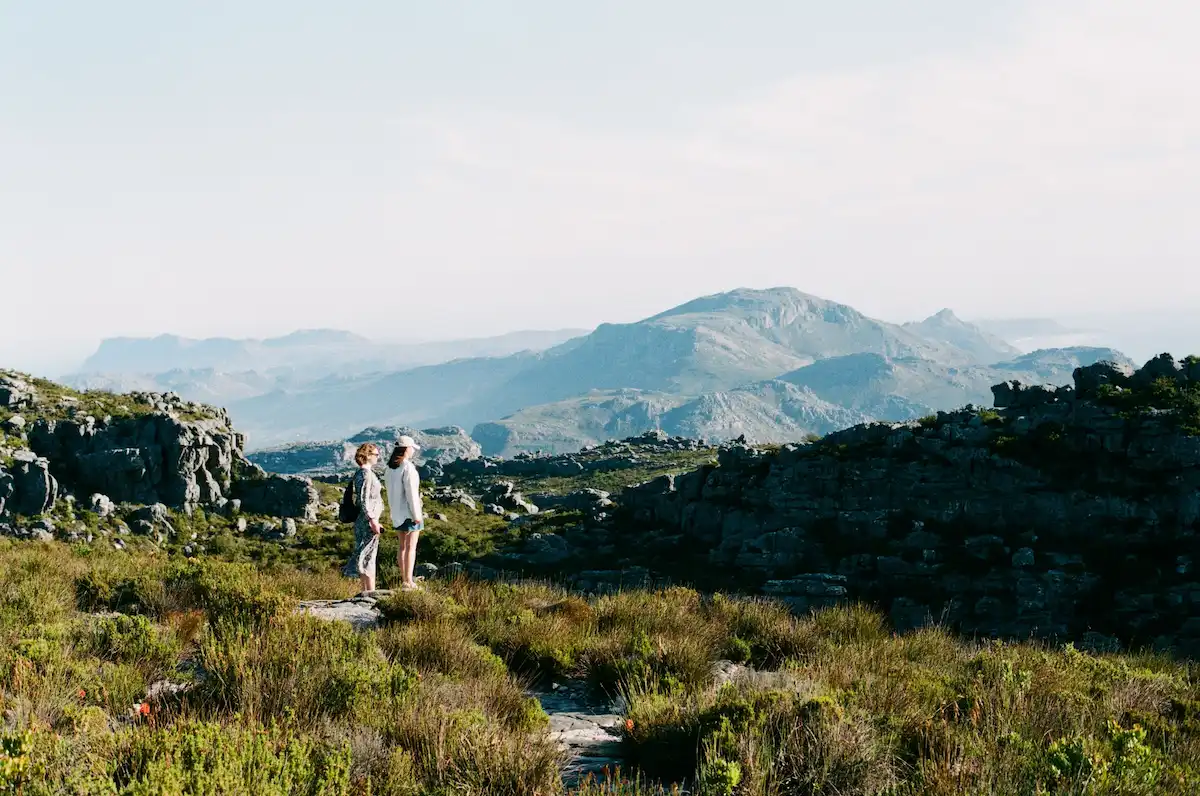
If there is one piece of advice I would give anyone planning a visit, it is this. Do not assume that because Cape Town is enjoying glorious sunshine, Table Mountain will be equally accommodating.
The mountain has its own weather system.
Wind, cloud and visibility can change remarkably quickly. The south-easter can become particularly strong during summer, while winter brings its own collection of cold fronts, rain and unpredictable conditions.
The cableway will suspend operations when conditions make it unsafe to operate.
This can happen even when the weather in the city appears perfectly acceptable.
The most frustrating situation for visitors is arriving at the lower station to discover that the cableway has closed.
There is no way of predicting with certainty whether a particular day will be suitable. The sensible approach is to monitor the official weather information and remain flexible with your itinerary.
The cableway also has an official mobile app that provides operational and weather information.
My recommendation: If Table Mountain is high on your Cape Town bucket list, try to leave yourself more than one possible day to visit. That flexibility can make the difference between seeing the mountain from the top and admiring it from your hotel balcony.
What’s The Best Time to Visit Table Mountain
The best time depends on what you want from the experience.
For clear photographs, early mornings are often excellent. The atmosphere is frequently clearer before the afternoon wind and cloud begin to develop.
Late afternoon offers another attractive opportunity, particularly during summer, when the city is bathed in warm light.
The cableway operator also identifies afternoons as generally quieter periods, although this can vary considerably with visitor numbers and weather.
| Time of day | What to expect |
| Early morning | Often clearer visibility and attractive photography conditions |
| Late morning | Increasing visitor numbers, good general sightseeing |
| Early afternoon | Potentially busier, depending on season |
| Late afternoon | Often quieter, with attractive light and sunset opportunities |
December and January are particularly busy because of the international holiday season.
Weekends, school holidays and days with favourable weather can also attract substantial queues.
Can Wheelchair Users Visit Table Mountain?
Yes.
The cableway is designed to accommodate visitors with mobility challenges.
The lower station has ramps and lifts, while designated pathways at the summit allow wheelchair users to explore certain areas.
The operator also provides mobility scooters at the upper station, subject to availability and arrangements.
However, it is important to understand that Table Mountain is a natural environment. Not every summit pathway is suitable for wheelchairs, and exposed sandstone sections can be uneven.
Visitors who require additional assistance should contact the cableway before arriving.
The official website includes a wheelchair-accessibility guide and route map.
This is an important consideration for families travelling with older relatives or visitors who may not be comfortable walking on uneven ground.
Getting to the Table Mountain Cableway

The lower cable station is situated on Tafelberg Road, above Cape Town’s City Bowl.
There are several ways of getting there.
By Car
Visitors travelling by private vehicle can drive up Tafelberg Road towards the lower station.
However, parking immediately outside the station is limited, particularly during busy periods.
The cableway encourages visitors to use its Park and Ride arrangement. Parking is available at the Lower Tafelberg Road parking area, from where a complimentary shuttle transports passengers to the lower station.
By MyCiTi Bus
The MyCiTi bus service connects the city centre with the Camps Bay area.
Routes 106 and 107 serve the Kloof Nek area. Visitors can alight at Lower Tafelberg Road and use the complimentary cableway shuttle to reach the station.
Remember that MyCiTi requires a loaded myconnect card. Cash is not accepted on the buses.
By Uber or Other E-hailing Services
Uber and other e-hailing services are convenient options.
The operator recommends being dropped at the Lower Tafelberg Road bus stop and taking the complimentary shuttle to the lower station.
By City Sightseeing bus
The red City Sightseeing hop-on, hop-off bus also serves the cableway.
This is a particularly useful option for international visitors who are spending a day exploring Cape Town’s main attractions.
Official directions and transport information:
Should You Hike Up and Take the Table Mountain Cableway Down?
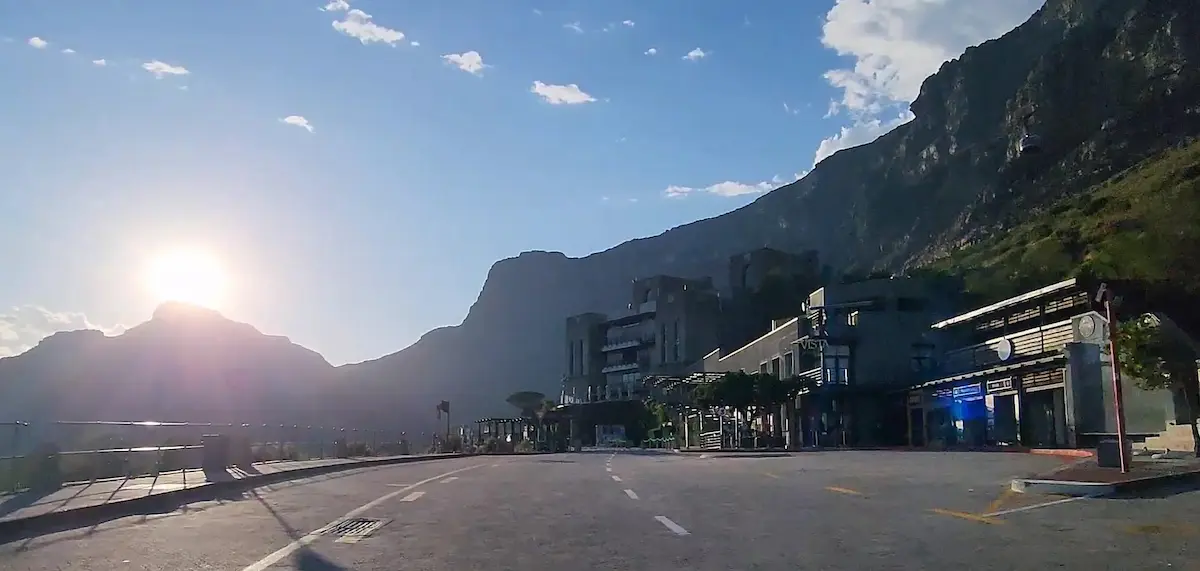
For anyone reasonably fit and interested in experiencing more of the mountain, this is an excellent option.
Platteklip Gorge is the most direct and popular route to the summit.
It begins on Tafelberg Road and climbs steeply through the main gorge in the mountain’s front face.
The route is approximately three kilometres uphill, although the actual walking time varies considerably with fitness, weather and experience.
A very fit hiker may manage the ascent in around an hour, while others should allow two to three hours.
The route is steep, with stone steps and uneven sections. It should not be underestimated.
The reward, however, is considerable.
As you climb, the city gradually unfolds beneath you. Table Bay, the harbour, the City Bowl and the Atlantic coastline become increasingly impressive.
The sense of achievement when you finally emerge onto the summit plateau is something that a five-minute cable car journey simply cannot replicate.
Taking the cable car down afterwards is a particularly attractive combination.
There is one essential qualification: do not undertake this hike assuming the cableway will definitely be operating when you reach the top.
If it closes unexpectedly, you may have to walk down again.
Always carry enough water, food, appropriate clothing and a fully charged mobile phone.
For inexperienced hikers, a qualified mountain guide is strongly recommended.
Can You Take the Table Mountain Cable Car Up and Hike Down?
Absolutely.
This is another popular option for visitors who want to experience the mountain on foot without undertaking the strenuous ascent.
Take the cableway to the summit, spend some time exploring the plateau and then descend via a suitable hiking route.
Platteklip Gorge is the most direct option, although it is steep and can be demanding on the knees.
The descent is not necessarily easier than the ascent. Loose stones, uneven surfaces and changing weather conditions all require attention.
Do not attempt a descent simply because it looks manageable from above.
Choose a route appropriate to your fitness and experience, and ideally hike with someone who knows the mountain.
Safety on Table Mountain

Table Mountain is accessible, but it should never be treated as a theme park.
Its natural environment can be unforgiving, particularly when weather conditions deteriorate.
A few basic precautions make an enormous difference:
- Wear comfortable walking shoes with good grip.
- Carry sufficient drinking water.
- Apply sunscreen and wear a hat.
- Take a warm, windproof jacket, even during summer.
- Stay on established paths.
- Avoid hiking alone.
- Tell someone where you are going.
- Carry a charged mobile phone.
- Do not venture onto exposed rocky sections in poor visibility.
- Check the cableway’s operating status before relying on it for your descent.
Rock hyraxes and other wildlife should be observed rather than approached or fed.
The mountain is part of a protected natural environment, and visitors have a responsibility to leave it as they found it.
Five Things to Do Near the Table Mountain Cable Car
A visit to Table Mountain can easily be combined with other Cape Town experiences.
Depending on how much time you have, consider including one or two of these attractions in your itinerary.
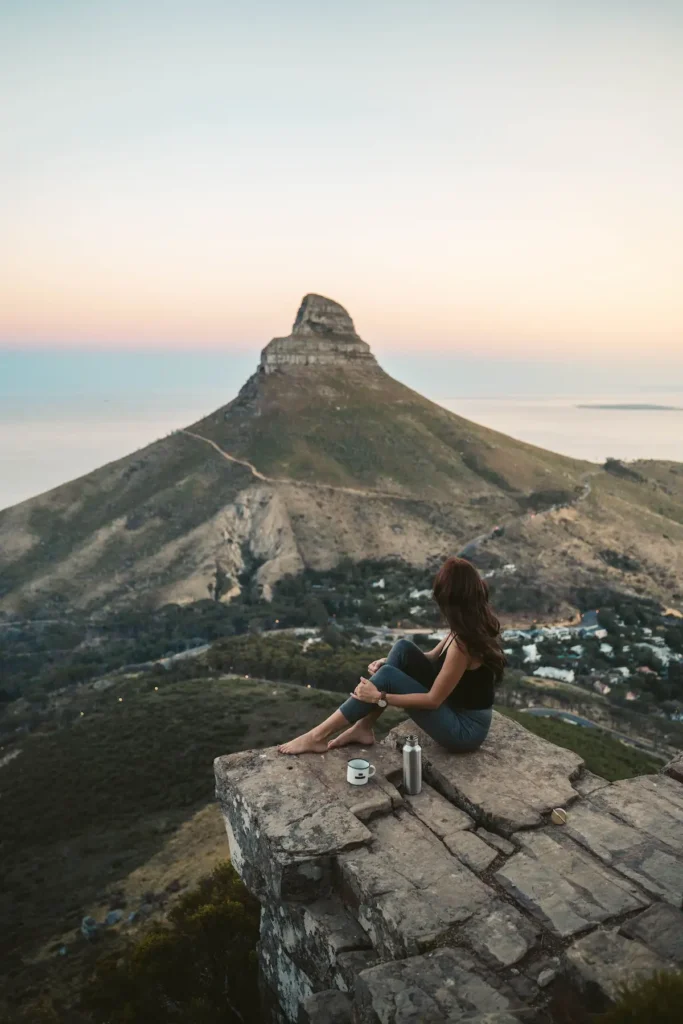
1. Lion’s Head
The distinctive peak immediately beside Table Mountain offers one of Cape Town’s best-known hiking experiences.
The climb is particularly popular around sunrise and sunset, although it requires suitable footwear and care on exposed sections.
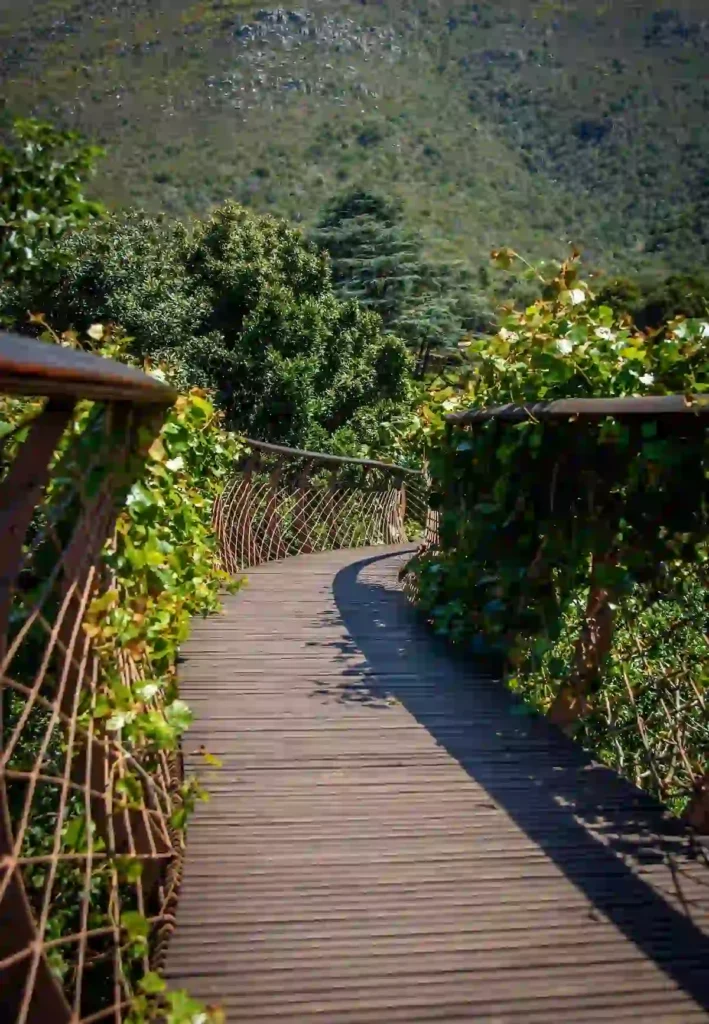
2. Kirstenbosch National Botanical Garden
Situated on the eastern slopes of Table Mountain, Kirstenbosch is one of the world’s great botanical gardens.
It is particularly attractive for visitors interested in indigenous plants, landscaped gardens and the extraordinary biodiversity of the Cape.
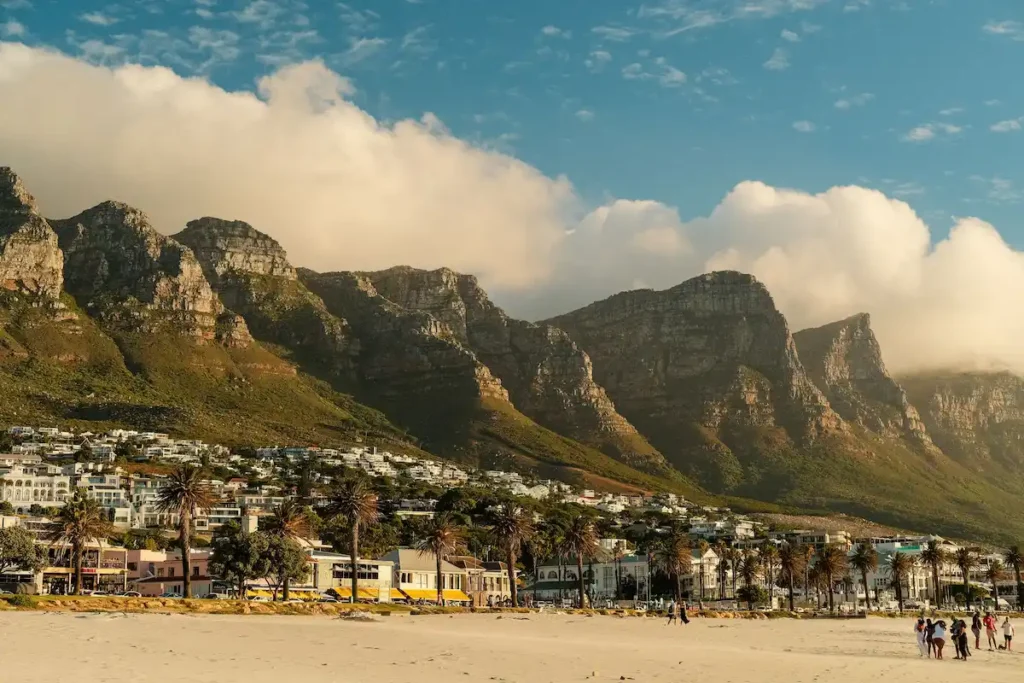
3. Camps Bay
A short drive from the lower cable station, Camps Bay offers a beautiful beach, restaurants and views towards the Twelve Apostles.
It is an excellent place to enjoy lunch or an evening sundowner after visiting the mountain.
4. Signal Hill
Signal Hill provides panoramic views across Cape Town and the Atlantic Seaboard.
It is particularly popular around sunset and offers a very different perspective of Table Mountain.
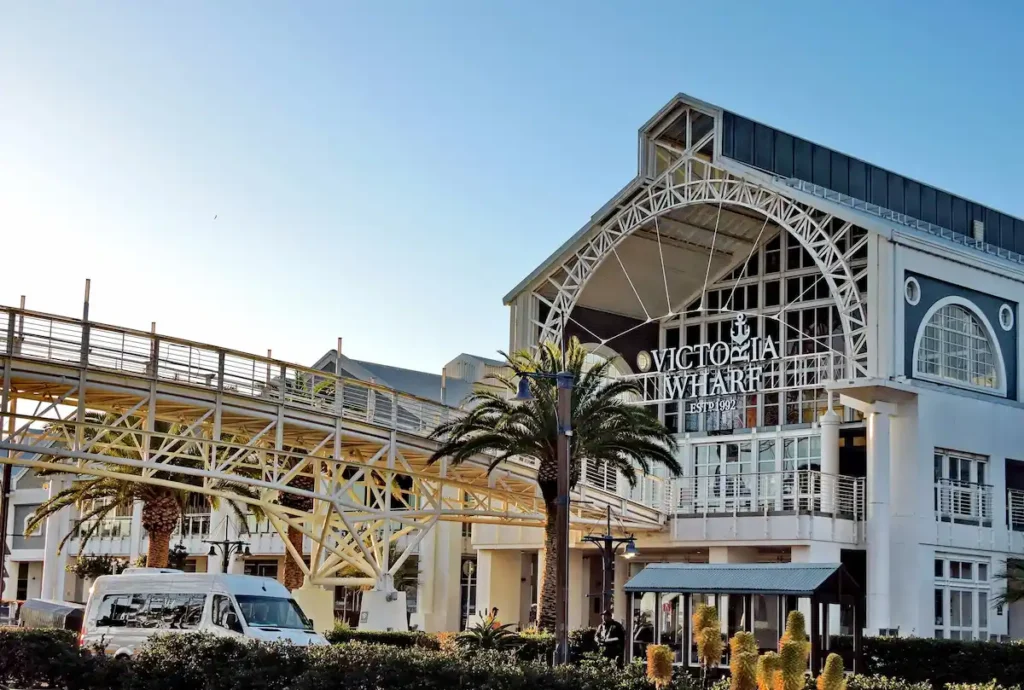
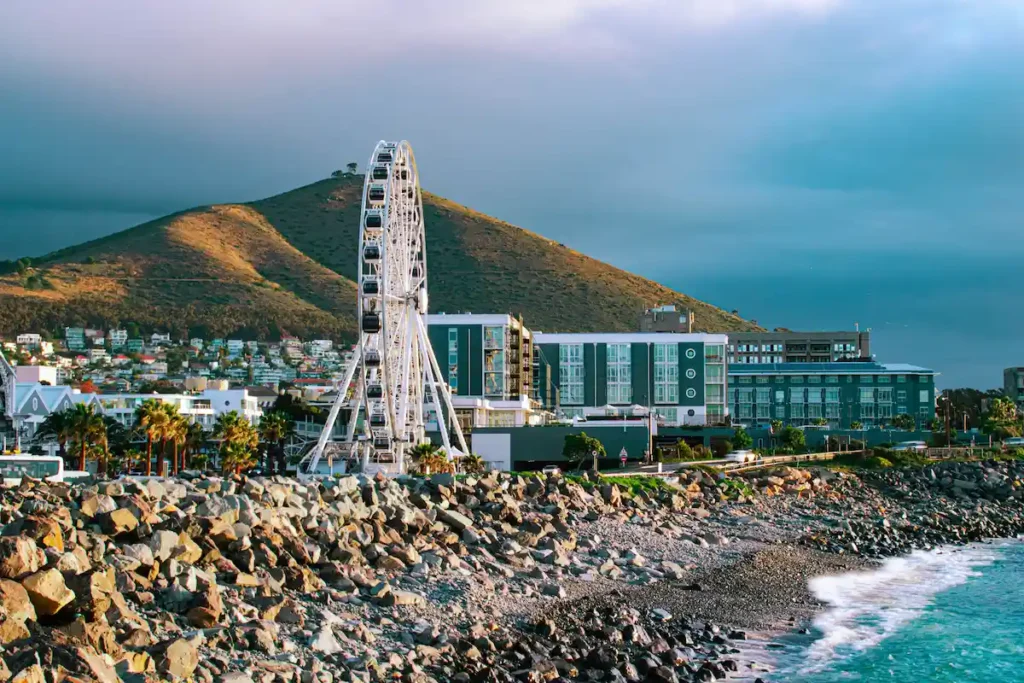
5. The V&A Waterfront
The V&A Waterfront combines shopping, restaurants, museums, harbour activities and boat excursions.
It is also an excellent place to spend time before or after a visit to the cableway.
These attractions provide a useful introduction to the variety of experiences available across Cape Town and the Cape Peninsula.
Frequently Asked Questions About the Table Mountain Cable Car
The journey takes approximately four to five minutes from the lower station to the upper station. The rotating cabin provides 360-degree views during the ascent.
The upper cable station is approximately 1,067 metres above sea level. The mountain’s highest point, Maclear’s Beacon, is approximately 1,085 metres above sea level.
An adult online return ticket costs R475, while a one-way ticket costs R300. Children aged 4–17 pay R230 for an online return ticket. These prices apply from 1 July 2026 to 30 June 2027.
Advance online booking is recommended, particularly during the December and January holiday season, weekends and school holidays. However, online tickets do not necessarily eliminate queues.
The cableway may suspend operations because of strong winds, poor visibility or other adverse weather conditions. Eligible unused tickets can generally be used on another operating day within their seven-day validity period or refunded under the operator’s terms.
Yes. The cableway is an excellent family attraction, and the summit has accessible walking areas. Parents should supervise children carefully, particularly around exposed rocky sections.
Yes. Many visitors climb Platteklip Gorge and descend by the Table Mountain cable car. However, the cableway’s operating status should be checked before beginning the hike.
Early mornings often offer excellent visibility and photography conditions. Late afternoons can be quieter and provide attractive sunset views. Weather conditions are more important than the time of day.
Allow approximately two to three hours for the cableway journey, exploring the summit and returning to the lower station. Visitors wishing to walk to Maclear’s Beacon or enjoy a leisurely meal should allow longer.
The cableway operates throughout the year, weather permitting, except during scheduled annual maintenance closures. Visitors should check the official website for current operational information.
Why Table Mountain Belongs on Every Cape Town Itinerary
There are attractions that deserve their reputation, and then there are those that somehow manage to exceed it.
Table Mountain belongs firmly in the latter category.
The cableway makes one of the world’s most extraordinary natural landmarks accessible to visitors who might otherwise never experience its summit. Within minutes, you are transported from the busy streets of Cape Town to an environment that feels wonderfully removed from the city below.
The views are spectacular, the engineering is impressive and the biodiversity is extraordinary. Yet it is the combination of all three that makes the experience so memorable.
Having spent more than 35 years exploring, hiking and climbing Table Mountain and its surrounding ranges, I would suggest that visitors resist the temptation to treat the cableway as simply another item to tick off a sightseeing list.
Take your time. Explore beyond the upper station. Look closely at the vegetation beneath your feet. Watch the dassies sun themselves on the rocks. Walk towards one of the quieter viewpoints and take in the extraordinary geography of the Cape Peninsula.
And if the mountain happens to be wearing its famous white tablecloth, do not be disappointed.
You may simply have been given a rather different, and equally memorable, introduction to Cape Town’s most recognisable natural landmark.
Table Mountain is not merely something to look at from Cape Town. It is somewhere you should experience for yourself.
Table Mountain Cable Car Visitor information
Table Mountain Aerial Cableway
Lower Cable Station, Tafelberg Road, Cape Town, South Africa
Telephone: +27 (0)21 424 8181
Email: info@tablemountain.net
Official website: https://www.tablemountain.net/
Ticket prices, operating hours and visitor facilities are subject to change. Confirm all details with the operator before travelling.