
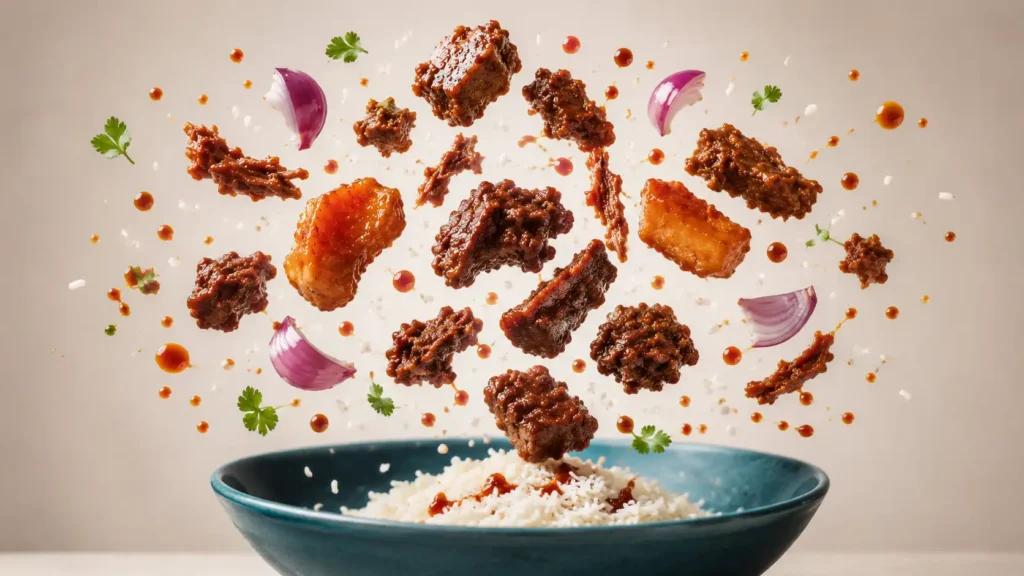
What should I eat in Cape Town? Eat tomato bredie in Bo-Kaap, get out to Langebaan for a Die Strandloper seafood feast, and fill the gaps with a gatsby, a bunny chow and proper bobotie. Cape Town doesn’t have one signature dish. It has a Cape Malay tradition in the city, and a West Coast fishing tradition on the coast, and the best food trip follows both.
Here’s what I’d actually send you to, based on where I’ve eaten and what I’d order again.
Start with Tomato Bredie at Biesmiellah
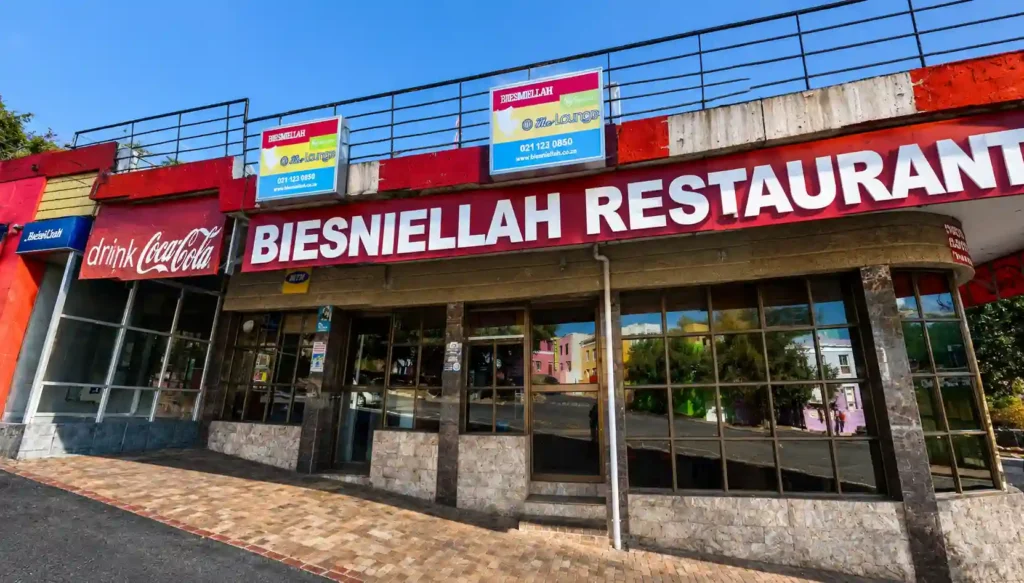
If I had to pick one meal that captures Cape Town food, it’s tomato bredie at Biesmiellah in Bo-Kaap. A bredie is a slow-cooked stew. Tomato is the most common version, though you’ll also find waterblommetjie, a stew made with a local water flower, depending on the season.

Biesmiellah’s located at 2 Wale Street. It’s one of the oldest Cape Malay restaurants in the neighbourhood, and it doesn’t try to be more than it is. The dining room is simple. The tables sit close together. It feels less like a restaurant and more like someone invited you round for dinner.
The restaurant follows halal principles. That means no alcohol on the menu and none allowed on the premises. This isn’t a house style choice, it’s a religious observance, and it’s worth respecting rather than working around. If you want wine with your bredie, have lunch here and save the drink for dinner somewhere else.
Staff also encourage eating with your hands, which is part of the experience if you’re up for it. Ask for cutlery if you’d rather not, and nobody will think less of you.
Then Head to the Coast for Die Strandloper
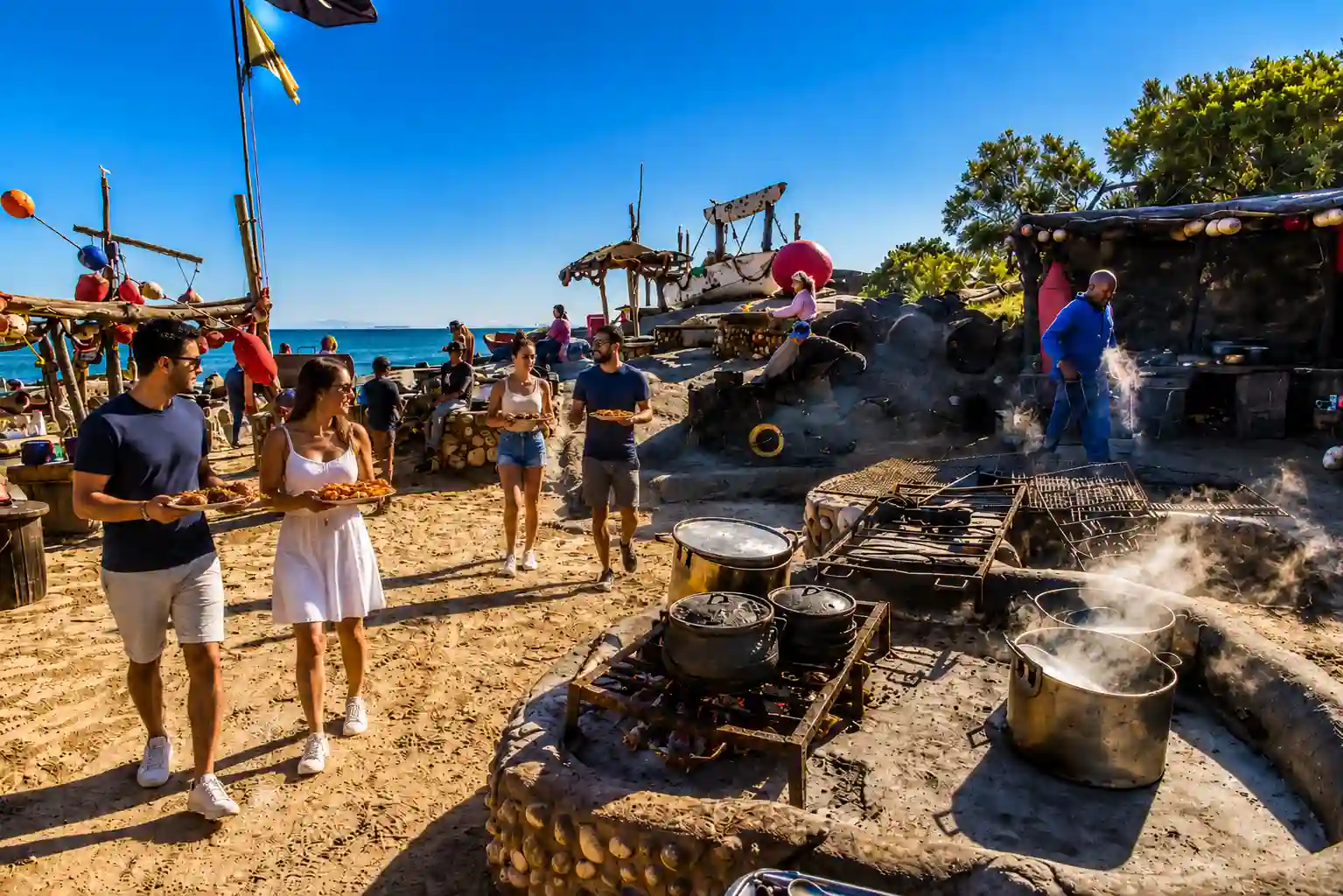
Bo-Kaap gives you the city side of things. For the coast, drive up to Langebaan, about 1.5 hours north, for Die Strandloper. This ten-course seafood feast happens right on the beach over open fires, and it takes over your whole afternoon. Expect fresh bread with farm butter and jam, mussels in wine and garlic, harders (a local dried or grilled mullet), fish curry, braaied snoek with roosterkoek and sweet potato, a bredie, smoked angelfish, the linefish of the day, and crayfish, finishing with coffee and koeksisters.
It’s a BYO venue, so bring your own wine or beer rather than expecting a bar list. Bring ice too, because the West Coast sun heats up a cooler box fast. Pricing has crept up over the past few years and now sits around R400 per person, so check the current rate when you book rather than relying on older figures. Lunch typically runs Wednesday, Friday, Saturday and Sunday, with dinner on Saturdays only, and it books out fast. Don’t leave this until the week you arrive.
If you’d rather skip the drive, or want a lower-key version of the same idea, head to Kalky’s in Kalk Bay. It does excellent, affordable fish and chips right on the harbour.
Everyday Classics Worth Knowing
Beyond those two anchor meals, you’ll come across a handful of dishes constantly. Here’s how to order them properly.
The gatsby is a foot-long submarine roll stuffed with chips and a filling of your choice, usually steak, chicken or masala fish. Cape Town invented it. Treat it as a quick, messy, casual meal rather than a fine-dining moment, and get it from a proper takeaway spot. A restaurant’s tidied-up version tends to miss the point.
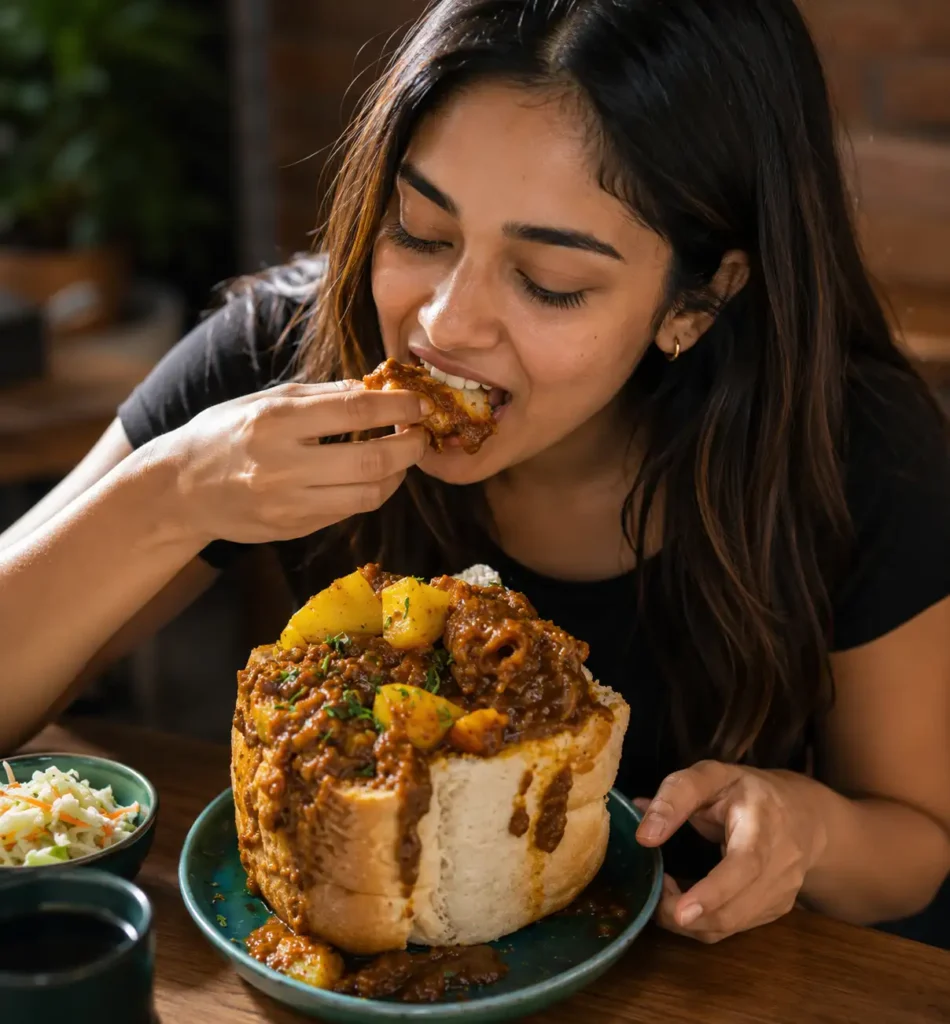
Bunny chow is a hollowed-out loaf that holds curry, originally a Durban dish but common here too. Eat the filling with a spoon first, then tear off pieces of the bread to mop up what’s left. Most locals finish by eating the bread itself rather than leaving it, though there’s no wrong way to do this.
Bobotie is a baked minced meat dish with a savoury custard topping, usually paired with yellow rice and chutney. It’s the other Cape Malay staple you’ll see everywhere, and it’s a reasonable measure of a kitchen’s quality. If a restaurant’s bobotie tastes flat, their other Cape dishes probably will too.
Two Dishes to Skip & 2 Hidden Gems
A generic restaurant curry is easy to end up with outside Cape Town proper, and it’s rarely worth ordering when the region does seafood and Cape Malay flavours so much better. At somewhere like Geelbek Restaurant in the West Coast National Park, order the bobotie or a traditional Cape dish instead of a curry that could come from anywhere.
Sushi is the other one to watch. Cape Town has good sushi restaurants, but on a trip focused on Cape and West Coast cooking, it’s a detour from what the region actually does well. Quality varies more than you’d expect for a country with this much coastline.
On the other side, two things most food guides skip entirely. Bokkoms are whole mullet, salted and dried in the sun and wind. They’re the definitive West Coast snack: intensely salty, chewy, and worth acquiring a taste for. Snoekkuitjies, a traditional way of curing and preparing snoek (a local fish), gets you as close as you’ll come to old Cape fishing culture on a plate. Look for both in West Coast towns rather than central Cape Town.
Eating Etiquette That Actually Matters
A few things will make meals go more smoothly, especially if you’re new to South Africa.
At halal restaurants like Biesmiellah, skip the alcohol entirely. If you eat with your hands, use your right hand. Many cultures that follow this custom traditionally consider the left hand unclean, so eating or passing food with it can read as rude, even if nobody says anything.
Tip 10 to 15 percent at restaurants. Add it to a card payment or leave it in cash. Petrol attendants, who pump your fuel for you, expect R5 to R10. Car guards, who watch your parked car, expect R2 to R5.
Service runs warm but slower than you might expect, and meals are for sitting through rather than rushing. Don’t expect the bill until you ask for it. If a waiter says they’ll be with you “just now,” that means soon, not immediately. It’s a South African way of speaking, and patience pays off.
Sambal, a chutney or relish served alongside curries and bredies, cuts through the richness rather than decorating the plate. Add it gradually; some versions carry real heat. And if you want to judge a bredie or curry, check the sauce. Locals judge a dish by whether the sauce runs thick and rich or thin and watery. A thick sauce usually means a good cook.
How to Plan Two Days of Eating
If you’ve only got a short trip, split the food across two days rather than cramming everything into one.
Day One: Bo-Kaap and the City
Base yourself around Bo-Kaap. A walking tour combined with a Cape Malay cooking class works well here. You help prepare something like chicken curry and roti, then finish with koeksisters and cardamom tea. It teaches you the food rather than just feeding you. In the afternoon, wander Kloof Street for cafés and casual dining. It’s also where you’ll find a good gatsby if you haven’t had one yet.
Day Two: the West Coast
Drive up to Langebaan for Die Strandloper. Go early if you can. The West Coast National Park is close by and makes a good walk before you eat yourself into a food coma.
Budget Guide
A casual meal, like a café lunch or fish and chips, runs roughly R90 to R180. A mid-range restaurant dinner costs closer to R150 to R250 for a main. Die Strandloper, at around R400, sits above that but still delivers good value for what you get. Eating out in Cape Town generally costs less relative to groceries than in most of Europe or North America, so you can eat out often without it becoming the most expensive part of your trip.
Vegetarian and Vegan Options
You won’t struggle here. Plant Café in the CBD serves fully vegan food. Prashad Café does vegetarian and vegan Indian food, including a mixed vegetable bunny chow. Nourish’d, with branches on Kloof Street, Green Point and Observatory, handles juices and bowls well. Honest Chocolate Café on Wale Street makes vegan chocolate and dairy-free drinks, and Unframed does vegan ice cream in flavours like turmeric latte and spicy mango.
Book Ahead Where It Matters
Book Die Strandloper and any well-known restaurant in advance, especially over weekends or in summer. Opening days and hours vary more than you’d expect, particularly for coastal and out-of-town spots. Check before you drive an hour and a half only to find the kitchen closed. Beyond that, go in willing to eat with your hands, try the salty and sun-dried things you haven’t heard of, and ask questions when you don’t recognise a dish. Most kitchen and counter staff will happily tell you what’s in it.
Frequently Asked Questions
Tomato bredie, a slow-cooked stew, is the Cape Malay dish most associated with the city. Bobotie, a baked minced meat dish with a custard topping, comes a close second.
tart with tomato bredie at a Bo-Kaap restaurant like Biesmiellah, then try a gatsby from a takeaway spot for a casual lunch or snack.
Most Cape Malay dishes carry warmth rather than heat, built on spices like cinnamon, cardamom and cumin. Sambal, served on the side, lets you add heat yourself.
Yes, for anywhere well known, especially Die Strandloper and popular spots over weekends or in summer. Booking a day or two ahead is usually enough outside peak season.
Die Strandloper is a ten-course seafood feast cooked over open fires on the beach in Langebaan, about 1.5 hours from Cape Town. It costs around R400 per person as of 2026, and you bring your own drinks.
Yes. Plant Café and Prashad Café both serve fully vegetarian or vegan menus, and cafés like Nourish’d cover plant-based bowls and juices across several branches.