
Cape Town is a big city with plenty to see, so figuring out how to get around is pretty important. The good news is you don’t always need a car. You can jump on a MyCiTi bus, catch a train, grab a taxi or book a ride using an app. Each option has its pros, depending on where you’re going and how much you want to spend. Let’s take a look at public transport in Cape Town and how to make your way around this amazing city.
Getting Around Cape Town – A Practical Transport Guide for Visitors

Cape Town sits on South Africa’s southwest coast and draws visitors from across the globe. Once you arrive, you’ll need a reliable way to explore, whether you’re heading to Table Mountain, the V&A Waterfront, or the Cape Peninsula. The good news is that transport in Cape Town works well for tourists, with several options suited to different budgets and preferences.
The Backbone of City Travel
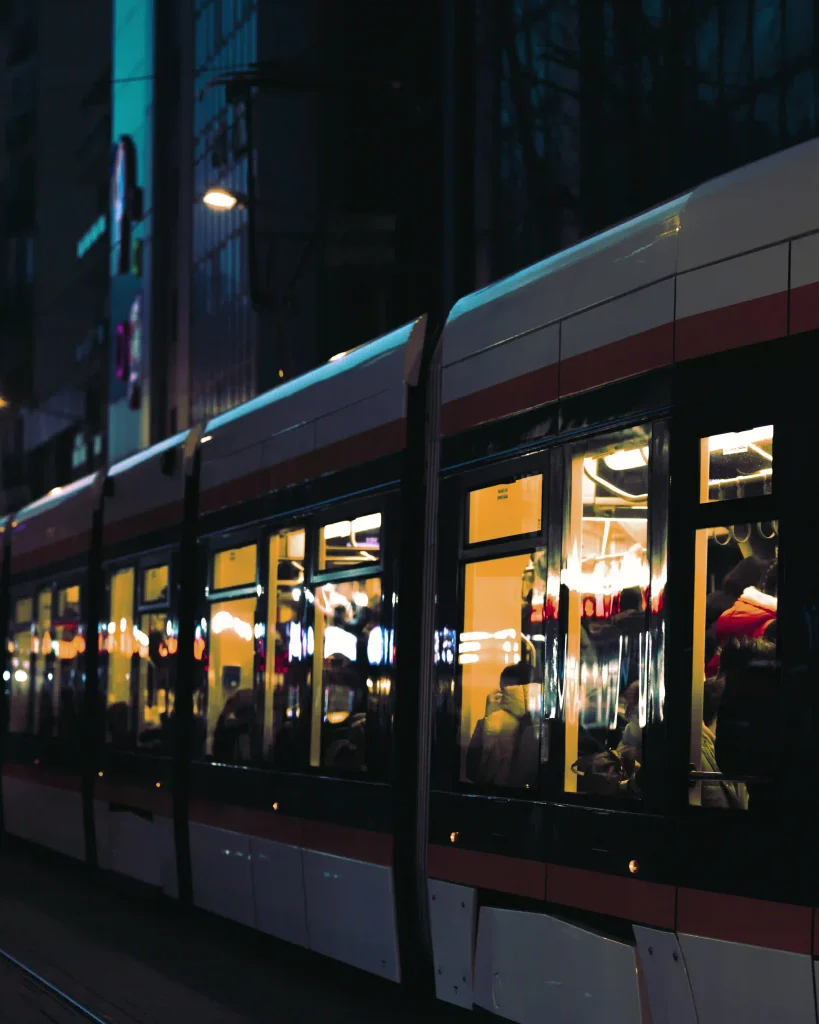
The City of Cape Town operates an extensive public transport network. For most international visitors, the MyCiTi bus system is the most practical choice. Buses run on dedicated lanes throughout the city, which means they avoid the traffic congestion that affects cars and minibuses. Services start early in the morning and run until late at night, with buses arriving every 20 minutes during peak hours.

Getting started with MyCiTi is straightforward. Buy a bus card at the main station near Cape Town’s Civic Center (a five-minute walk from the railway station) for R35, then load it with credit. Individual journeys cost between R9 and R15, making buses cheap for everyday exploration. The system connects most tourist attractions and allows you to move around the city without the hassle of navigating unfamiliar roads or parking.
Bicycles can travel free in designated bus areas, though if space fills up, you may need to wait for the next bus. This works well if you’re combining cycling with bus journeys for longer trips.
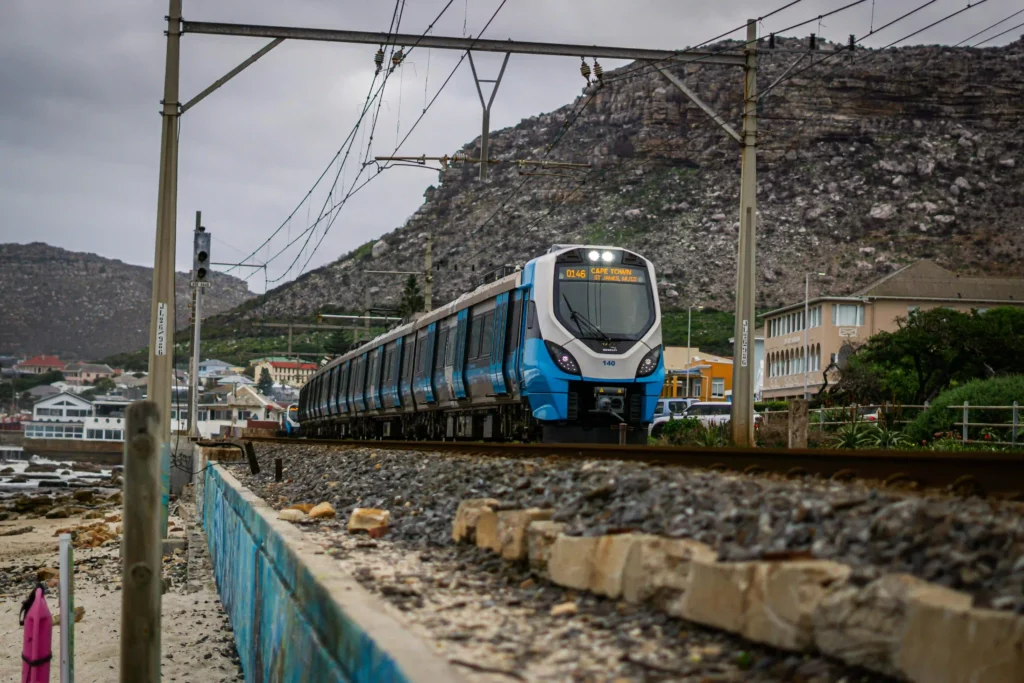
The Metrorail train network offers another low-cost option. Tickets cost around R10 – R20, making trains among the cheapest ways to move around. The Southern Line between Cape Town Railway Station and Fish Hoek runs through the Southern Suburbs and skirts False Bay, a scenic route that gives you a genuine taste of the landscape. However, the train system is less reliable than buses, and services are more limited outside peak hours.
Ride-hailing and Taxis
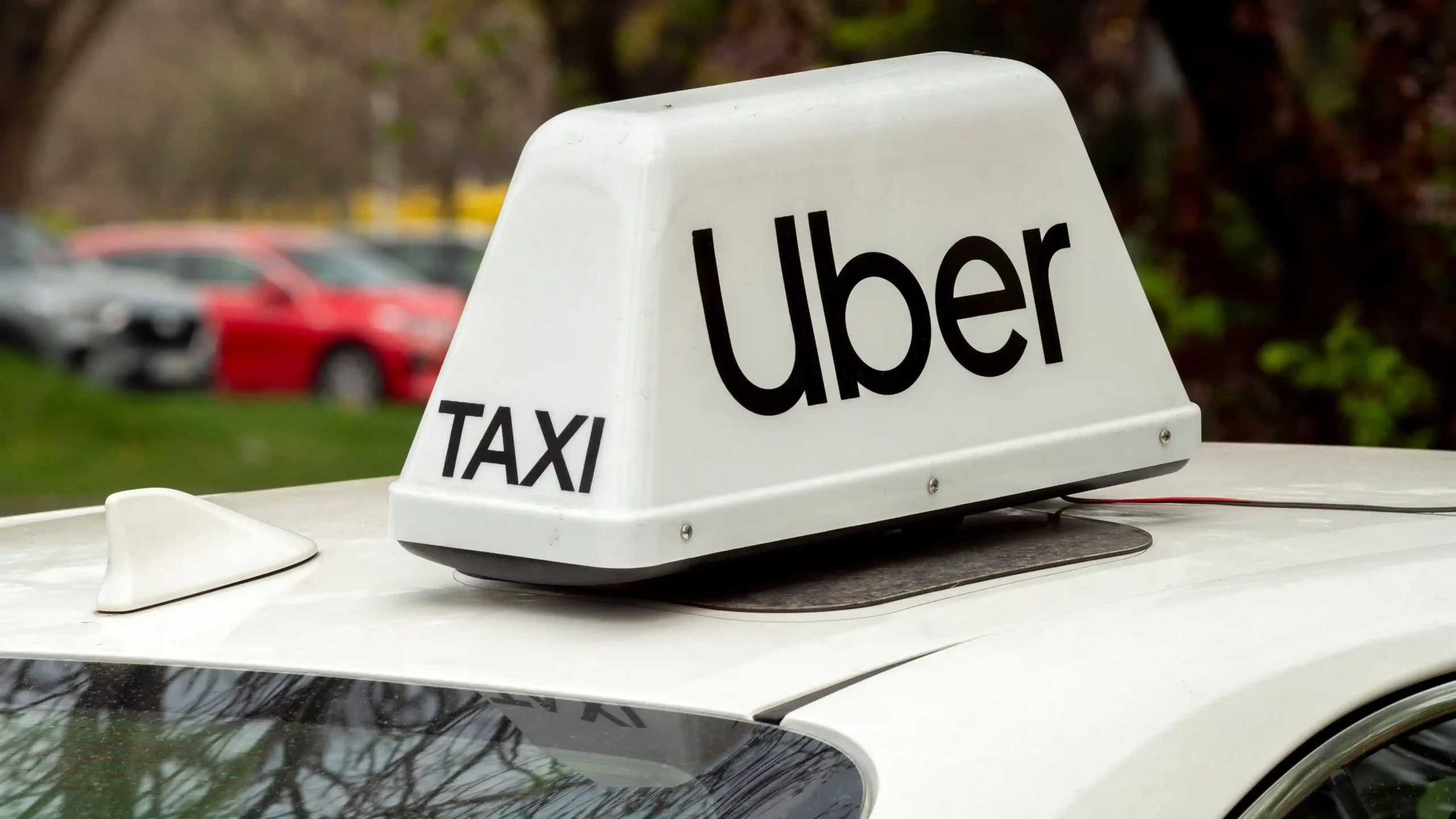
Uber and Bolt operate throughout Cape Town and offer a middle ground between public transport and car hire. Most journeys across the city cost between R80 and R150. Both apps let you book on your phone, track your driver in real time, and pay digitally, useful if you’re unfamiliar with local taxi culture. These services are particularly handy in the evening, when walking alone becomes less safe and taxis are harder to hail.
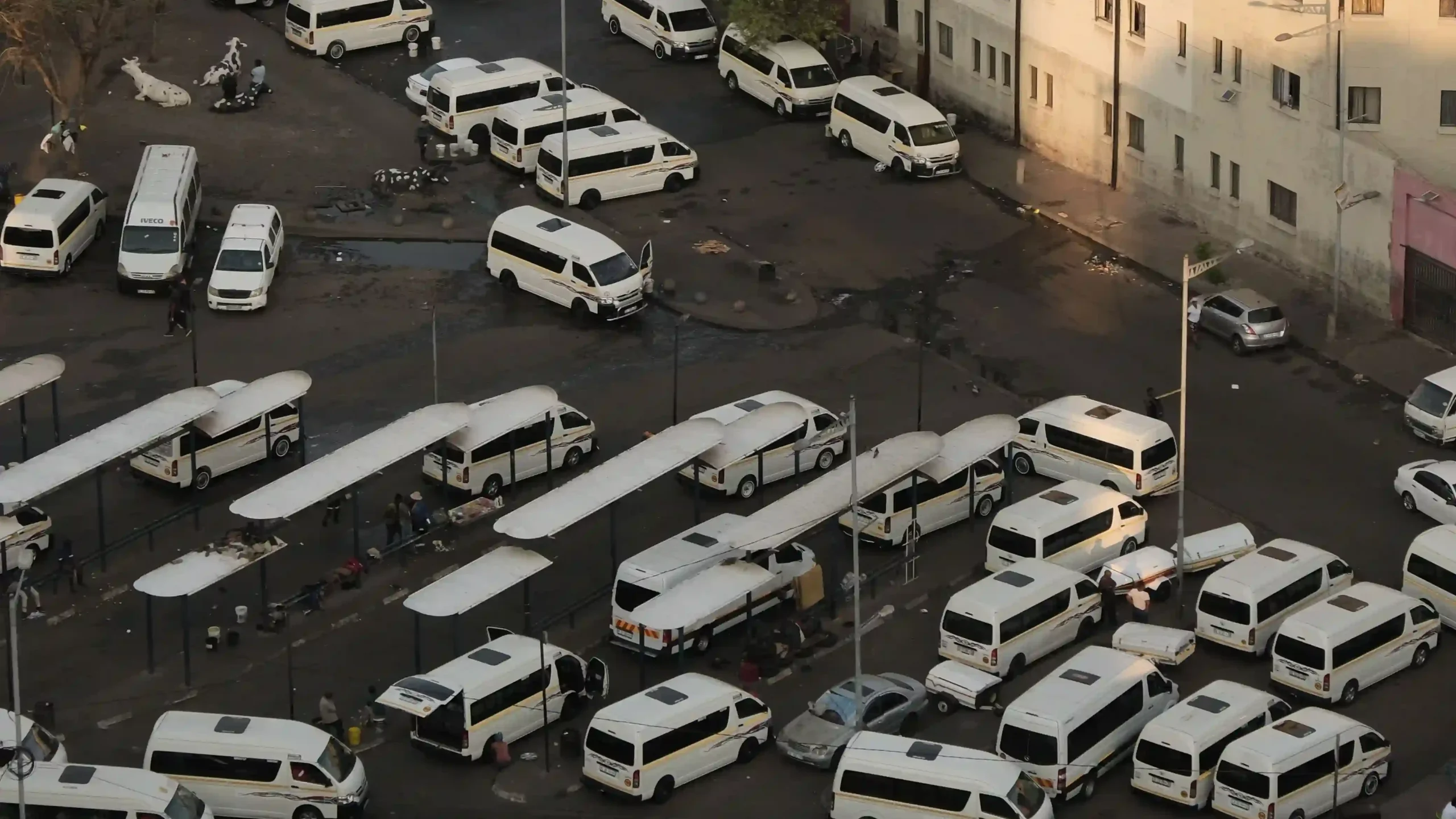
Minibus taxis are the traditional backbone of Cape Town’s transport. These privately operated vehicles pick up and drop off passengers along their routes rather than following fixed timetables. They’re affordable and locals rely on them, but they often become overcrowded and safety concerns have been raised. Most international visitors find Uber, Bolt, or MyCiTi buses less stressful.
Airport and Day-Trip Options
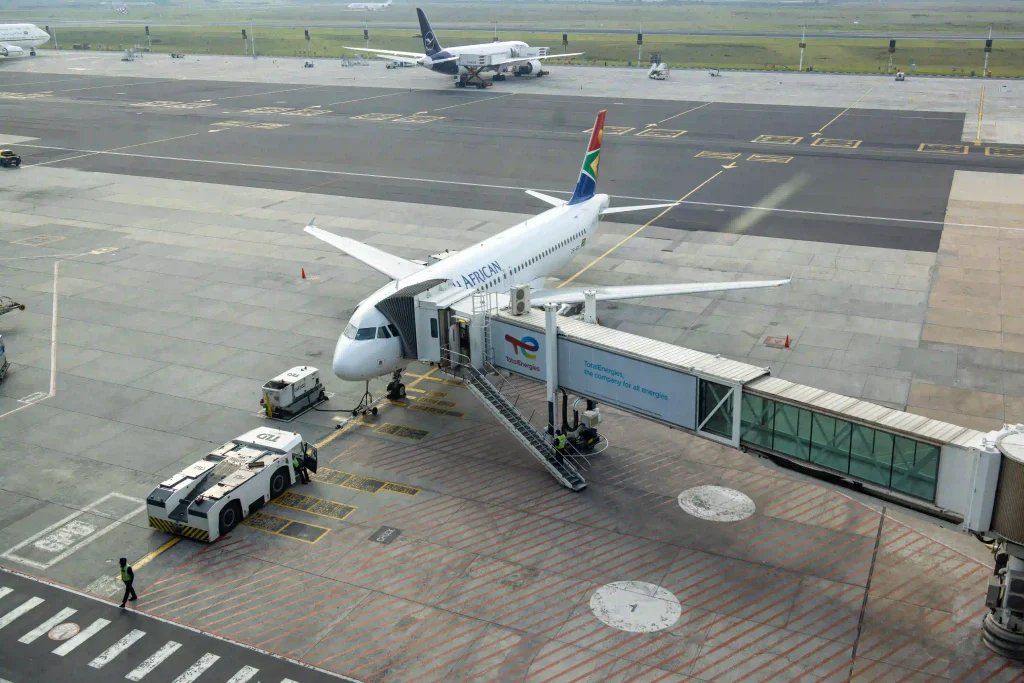

The airport shuttle connects Cape Town International Airport to the CBD in around 30 minutes, with tickets around R80. This is straightforward and avoids the need to navigate transport systems immediately after arrival.
For exploring the Cape Peninsula, arguably Cape Town’s most scenic day trip, car hire makes sense. Daily rates range from R500 to R700. However, driving in the city centre brings parking headaches, so the ideal strategy is to use public transport or Uber for city exploration, then hire a car just for your peninsula day.
The City Sightseeing red bus and boat service offers another option for first-time visitors. The hop-on hop-off red double-decker buses provide panoramic views of the city’s main attractions, whilst the red boat sails from the V&A Waterfront. Multilingual audio guides explain what you’re seeing. It’s a relaxed way to get orientated if you prefer not to plan individual journeys.
For a more unusual experience, Sidecar Adventures (1 Dickens Road, Salt River; 021 434 9855) offer tours in vintage motorcycles with attached sidecars. These combine transport and guided tours, taking in coastal rides, the Bo-Kaap, and Robben Island with knowledgeable commentary on Cape Town’s history.
Safety and Practical Tips

Cape Town has a high crime rate, but staying safe requires common sense rather than fear. During the day, walking in the city centre and around the waterfront is fine. Use MyCiTi buses and taxis to move around, but avoid them late at night; use Uber or Bolt instead. After dark, walking alone is not advised; catch a taxi or ride-hailing service.
Plan your public transport journeys using the MyCiTi website or mobile app, where you’ll find route maps, schedules, and real-time bus arrival updates. Keep an eye on your belongings, especially on crowded buses, and avoid travelling alone in isolated areas at any time.
If you’re planning a longer trip through South Africa’s Western Cape, good transport links mean you can easily reach destinations outside the city. But for exploring Cape Town itself, you have a straightforward choice: the MyCiTi bus for budget-conscious sightseeing, Uber or Bolt for convenience and flexibility, or car hire for the peninsula and surrounding wine country. Each works well depending on what you want to do.