
History
Cape Town History
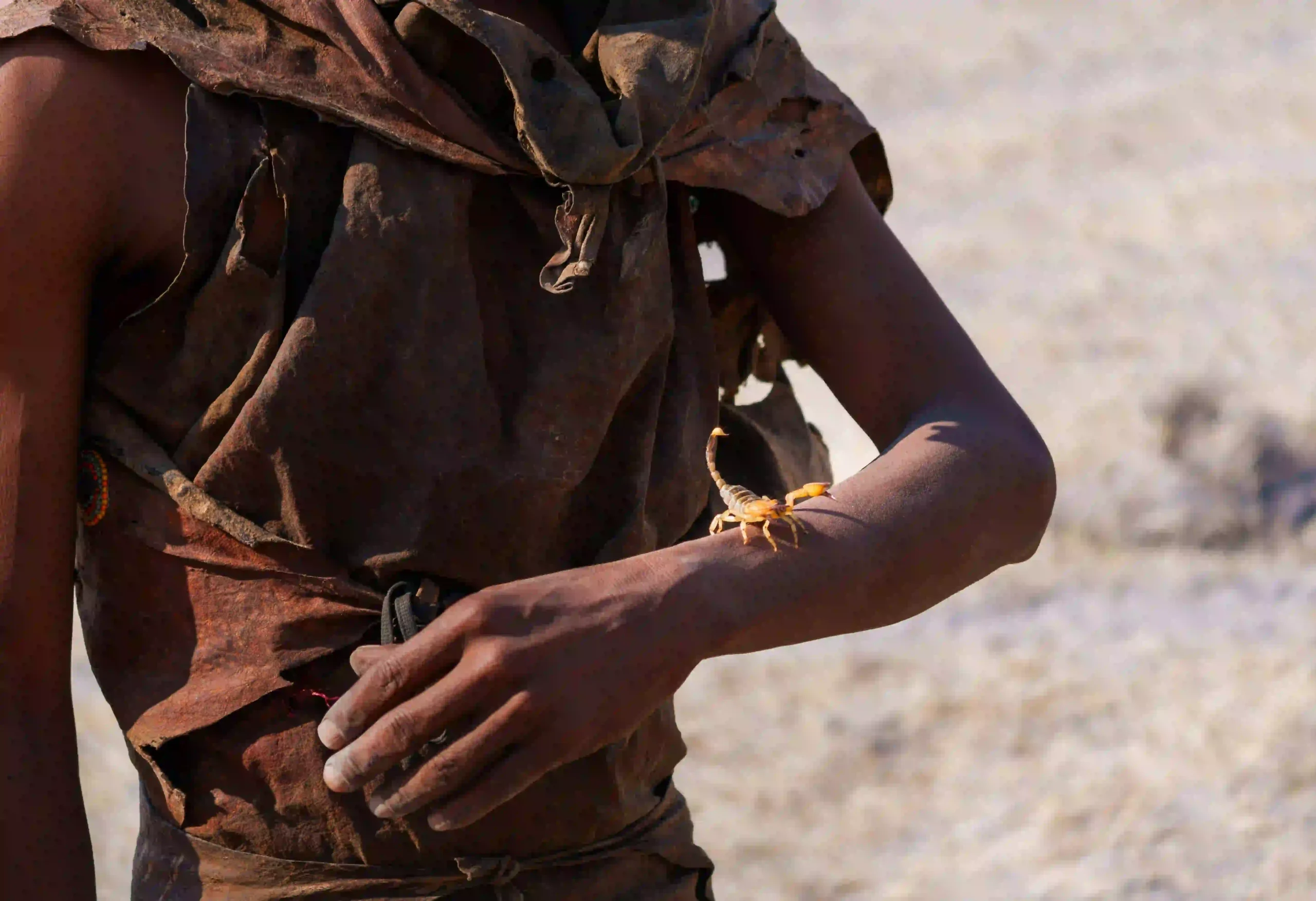
Cape Town isn't just beautiful - it's steeped in history. From before the arrival of Jan van Riebeeck in 1652 to the painful legacy of apartheid and the triumph of democracy, the Mother City's story is written in its streets, museums, and monuments. We've gathered the key historical sites, museums, and walking tours to help you understand where we've come from.
c. 200,000 – 50,000 BC – Early Stone Age
- Period: Early Stone Age
- Highlights: The earliest known human inhabitants occupied the Cape Peninsula, leaving behind stone tools found in caves and ancient river terraces.
- Significance: Marks the beginning of human history in the Cape, with evidence of some of Africa’s earliest hunter-gatherer communities.
c. 50,000 – 20,000 BC – Middle Stone Age
- Period: Middle Stone Age
- Highlights: Communities developed more sophisticated stone tools and established seasonal settlements in caves overlooking the coastline.
- Significance: Demonstrates the evolution of early human technology and adaptation to the Cape’s diverse landscapes.
c. 20,000 – 2,000 BC – Later Stone Age
- Period: Later Stone Age
- Highlights: San hunter-gatherers thrived throughout the Cape Peninsula, creating rock art and living from fishing, hunting and foraging.
- Significance: The San became the region’s longest continuous inhabitants, leaving an enduring cultural legacy.
c. AD 200 – 500 – Arrival of the Khoikhoi
- Period: Early Iron Age
- Highlights: Khoekhoe pastoralists migrated into the Western Cape with sheep and cattle, establishing seasonal grazing routes across the peninsula.
- Significance: Introduced livestock farming and established trading relationships with later European visitors.
1488 – Bartolomeu Dias Rounds the Cape
- Period: Age of Discovery
- Highlights: Portuguese explorer Bartolomeu Dias became the first recorded European to sail around the Cape of Good Hope.
- Significance: Opened the sea route linking Europe and Asia.
1497 – 1498 – Vasco da Gama’s Voyage
- Period: Portuguese Exploration
- Highlights: Vasco da Gama rounded the Cape on his successful voyage to India.
- Significance: Established the Cape as a vital waypoint on the world’s most important maritime trade route.
1503 – First Recorded Ascent of Table Mountain
- Period: Portuguese Exploration
- Highlights: António de Saldanha became one of the first Europeans to climb Table Mountain.
- Significance: The mountain became an important navigational landmark for passing ships.
1510 – Battle of Salt River
- Period: Early European Contact
- Highlights: Khoekhoe warriors defeated Portuguese forces led by Francisco de Almeida.
- Significance: One of the earliest recorded victories by indigenous southern Africans against European invaders.
1600 – 1651 – Table Bay as a Refreshment Stop
- Period: Maritime Trade
- Highlights: European trading vessels regularly anchored in Table Bay to replenish fresh water and supplies.
- Significance: Established the strategic importance of the Cape long before permanent settlement.
1652 – Founding of Cape Town
- Period: Dutch East India Company
- Highlights: Jan van Riebeeck established a refreshment station for the Dutch East India Company (VOC).
- Significance: Widely regarded as the founding of modern Cape Town.
1657 – First Free Burghers
- Period: Early Colonial Settlement
- Highlights: VOC employees were granted farmland to establish permanent farms.
- Significance: Began the expansion of European settlement beyond the original fort.
1658 – Arrival of Enslaved People
- Period: Colonial Expansion
- Highlights: Enslaved people arrived from Angola, Madagascar, India, Indonesia and East Africa.
- Significance: Their descendants played a central role in shaping Cape Town’s diverse cultural heritage.
1679 – Simon van der Stel Becomes Governor
- Period: Dutch Colonial Era
- Highlights: Simon van der Stel expanded agriculture, vineyards and inland settlement.
- Significance: Helped establish the Cape Winelands and strengthened the colony’s economy.
1688 – Arrival of the French Huguenots
- Period: Colonial Immigration
- Highlights: French Protestant refugees settled throughout the Cape.
- Significance: They introduced advanced viticulture techniques that helped shape South Africa’s wine industry.
1700s – Growth of Cape Town
- Period: VOC Trading Era
- Highlights: Cape Town became one of the busiest replenishment ports between Europe and Asia.
- Significance: The city’s economy flourished through global maritime trade.
1795 – First British Occupation
- Period: British Rule Begins
- Highlights: Britain occupied the Cape Colony during the French Revolutionary Wars.
- Significance: Began a new era of British influence over the region.
1803 – Batavian Administration
- Period: Dutch Administration
- Highlights: Control briefly returned to the Batavian Republic.
- Significance: A short-lived return to Dutch rule before Britain’s permanent occupation.
1806 – Permanent British Rule
- Period: British Colonial Era
- Highlights: Britain permanently captured the Cape after the Battle of Blaauwberg.
- Significance: Cape Town became an important administrative and naval centre within the British Empire.
1834 – Abolition of Slavery
- Period: Social Reform
- Highlights: Slavery officially ended throughout the British Empire.
- Significance: Marked a major social and economic turning point in Cape history.
1867 – Diamond Discovery
- Period: Mineral Revolution
- Highlights: Diamonds were discovered in South Africa, stimulating rapid economic growth.
- Significance: Cape Town expanded as a key shipping and commercial centre.
1886 – Gold Rush
- Period: Industrial Expansion
- Highlights: Gold discoveries on the Witwatersrand accelerated trade through Cape Town’s harbour.
- Significance: Strengthened the city’s financial and transport infrastructure.
1899 – 1902 – Anglo-Boer War
- Period: South African War
- Highlights: Cape Town became Britain’s principal military supply base.
- Significance: Reinforced the city’s strategic importance within southern Africa.
1910 – Union of South Africa
- Period: Formation of the Union
- Highlights: Cape Town became the legislative capital of the newly formed Union of South Africa.
- Significance: Parliament remains located in Cape Town today.
1948 – Apartheid Introduced
- Period: Apartheid Era
- Highlights: The National Party introduced apartheid as official government policy.
- Significance: The city underwent decades of forced segregation and social upheaval.
1966 – District Six Declared a White Area
- Period: Forced Removals
- Highlights: More than 60,000 residents were eventually removed from District Six.
- Significance: One of the most significant and tragic episodes in Cape Town’s modern history.
1964 – 1991 – Robben Island Prison
- Period: Apartheid Era
- Highlights: Nelson Mandela and many political prisoners were incarcerated on Robben Island.
- Significance: The island became an international symbol of the struggle for freedom.
1990 – Nelson Mandela’s First Public Speech
- Period: Democratic Transition
- Highlights: Mandela addressed thousands from the balcony of Cape Town City Hall following his release.
- Significance: A defining moment on South Africa’s journey to democracy.
1994 – South Africa’s First Democratic Election
- Period: Democratic South Africa
- Highlights: The country held its first fully democratic national election.
- Significance: Marked the end of apartheid and the beginning of constitutional democracy.
1999 – Robben Island Becomes a UNESCO World Heritage Site
- Period: Heritage Recognition
- Highlights: UNESCO recognised Robben Island for its global historical significance.
- Significance: It remains one of Cape Town’s most visited attractions.
2004 – Cape Floral Region Declared a UNESCO World Heritage Site
- Period: Environmental Conservation
- Highlights: Table Mountain National Park became part of the Cape Floral Region World Heritage Site.
- Significance: Recognised one of the world’s richest centres of plant biodiversity.
2010 – FIFA World Cup
- Period: Global Sporting Event
- Highlights: Cape Town hosted several FIFA World Cup matches at the newly built Cape Town Stadium.
- Significance: Elevated the city’s international tourism profile.
2014 – Table Mountain Named a New7Wonder of Nature
- Period: International Recognition
- Highlights: Table Mountain received official recognition as one of the New7Wonders of Nature.
- Significance: Cemented its reputation as one of the world’s most iconic natural landmarks.
2015 – 2018 – Cape Town Water Crisis
- Period: Environmental Challenge
- Highlights: Severe drought led to strict water restrictions and the globally publicised threat of “Day Zero.”
- Significance: Cape Town became an international case study in urban water conservation.
2020 – COVID-19 Pandemic
- Period: Global Pandemic
- Highlights: International travel restrictions severely affected tourism and hospitality.
- Significance: One of the most challenging economic periods in the city’s modern history.
2023 – Present – A Global Tourism Leader
- Period: Modern Cape Town
- Highlights: Cape Town continues to earn international awards for tourism, sustainability, food, wine and natural beauty while attracting record visitor numbers.
- Significance: Today, Cape Town is recognised as one of the world’s leading travel destinations and Africa’s premier tourism city.
From the arrival of the Dutch East India Company to the traditions of the Cape Malay community, Cape Town’s diverse history lives on in its food. Explore the flavours behind the city’s past in our What Should I Eat in Cape Town? A First-timer’s Food Guide.