
# Budget Travel in Cape Town: What You Actually Need to Know
Cape Town welcomes budget-conscious travellers with genuine opportunities to explore the city without excessive spending. The difference between an expensive trip and an affordable one often comes down to knowing where locals go and which activities genuinely cost little or nothing. This guide cuts through the marketing to show you what works on a real budget.
## Free and nearly-free outdoor activities
The outdoor activities in Cape Town are the strongest argument for visiting on a modest budget. Several of the city’s most rewarding hikes are completely free.
Lion’s Head is the most popular choice. The trail spirals up the peak in 1.5 to 2 hours round trip and delivers 360-degree views of Table Mountain, the Atlantic coast, and the city bowl. There’s no entrance fee, no equipment required beyond decent shoes and water.
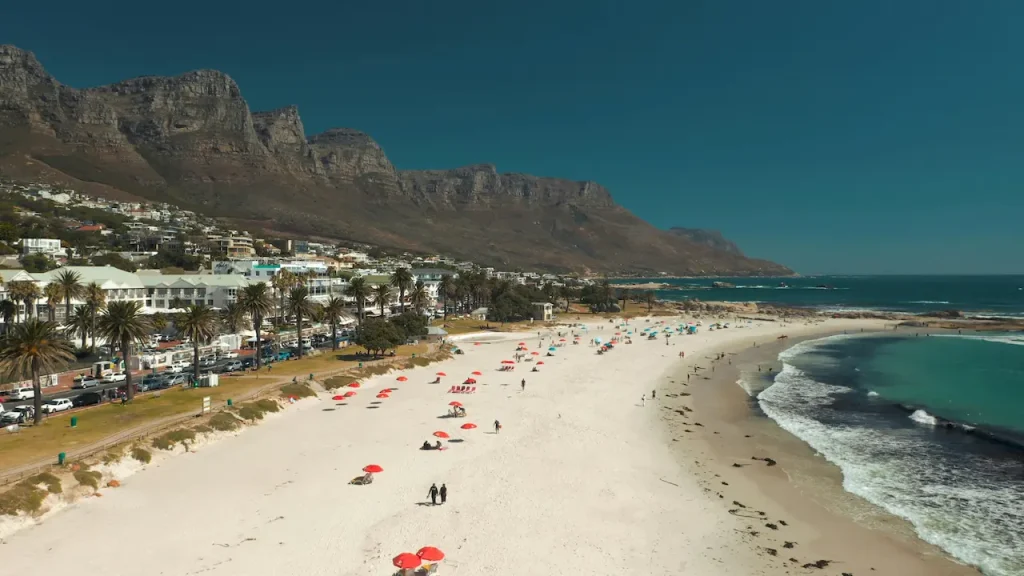
If you prefer something less strenuous, the Pipe Track Trail follows the western slopes of Table Mountain at a gentler gradient. The path reveals views across to the Twelve Apostles range and down towards the ocean, and takes between 1.5 and 2 hours depending on your pace. Again, it’s free.
Devil’s Peak offers another option for hikers seeking views without a cable car fare. The approach is steeper than the Pipe Track but still accessible, and the rewards are clear sightlines over the city and mountains. Bring your own water and snacks—the mountain has no facilities.
For sunset watching without the hike, Signal Hill provides a free vantage point. Arrive before dusk with a picnic blanket and snacks, and you’ll have one of Cape Town’s better sunset views without paying for the experience. Many locals treat this as a regular evening habit rather than a tourist activity.
The Sea Point Promenade is a 5-kilometre walk along the Atlantic coast, popular with joggers and people-watchers. It’s free, stretches from Mouille Point to Bantry Bay, and gives a genuine feel for how locals spend their time near the water.
## Neighbourhood exploration on foot
Walking through Cape Town’s neighbourhoods costs nothing and often reveals more about the city than guided tours do. The Bo-Kaap is known for its steep cobbled streets and brightly painted houses in blues, greens, yellows, and pinks. The area was historically a township for Cape Malay residents, and the architecture reflects that heritage. You can walk through without guides or fees, though renting a bicycle gives another perspective. Several shops near the neighbourhood offer bike rentals at affordable rates.
Woodstock, a former industrial district, has become the city’s primary street art hub. Local and international artists have painted large murals across building facades and alley walls. The work is still evolving—new pieces appear regularly. The Woodstock Exchange, a creative space in the neighbourhood, sometimes hosts free exhibitions alongside paid workshops and pop-up retail. Walking the streets and photographing the art itself is entirely free.
Long Street, the city’s main tourist thoroughfare, hosts street performers throughout the day. Musicians, dancers, and other performers work the pavements, and watching is free. It’s a straightforward way to support local artists without a formal ticket purchase.
## Markets and local shopping
The Biscuit Mill Market in Woodstock operates on Saturday mornings and attracts locals shopping for fresh produce, cheese, baked goods, and handmade crafts. Prices are reasonable, and you can browse without buying. Local designers and artists sell directly, so the goods are unique rather than mass-produced. It’s as much a social gathering as a market—expect to see families, couples, and groups of friends.
## Low-cost attractions with entrance fees
Some activities charge modest fees that deliver real value.
Silvermine Dam, located within Table Mountain National Park, costs a small entrance fee but provides a peaceful swimming spot with clear water. The dam sits among mountain scenery, and the area is quieter than the main beaches.
Boulders Beach near Simon’s Town is home to a colony of African penguins. Entry costs R45 for South African residents or R190 for international visitors—roughly £8–10 at current exchange rates. The penguins inhabit the space between the boulders, and you can walk among them at close range. The beach itself is swimmable, and the combination of wildlife viewing and swimming makes the fee reasonable.
Kirstenbosch Botanical Gardens charges a modest entrance fee and covers 36 hectares of planted gardens set against Table Mountain. The gardens feature indigenous plants and trees, and visitors bring picnic blankets to spend afternoons on the grass. The setting is peaceful, and you can easily spend 2–3 hours here.
## Cultural venues at reasonable prices
The Labia Theatre, located in the Gardens neighbourhood at 68 Orange Street, shows films ranging from independent releases to classic cinema. The ticket prices are lower than mainstream multiplexes, and the theatre retains a vintage aesthetic. The snack bar offers affordable refreshments. For contact details or current programming, call 021 424 5927 or visit thelabia.co.za.
Several Cape Town museums offer free entry on designated days, though this requires planning ahead and checking schedules in advance.
## Neighbourhood nightlife on a budget
Observatory has developed as the city’s most affordable nightlife neighbourhood. The area contains bars, clubs, and restaurants that charge modest prices for drinks and food compared to touristy zones like the Waterfront or the city centre. The atmosphere tends towards local crowds rather than tourists, which often means better value.
## Beach towns and coastal walks
Muizenberg, a beach town about 30 kilometres south of Cape Town, is known for its colourful wooden beach huts. The huts are painted in bright hues and line the beach—they’re worth photographing, and the walk itself is free. The town has a relaxed atmosphere, a swimming beach, and a small surf culture. It’s accessible by train or car and makes for an easy day trip.
## Practical tips for budget travelling
Book any activities requiring transport (like trips to Muizenberg or Simon’s Town) during daylight hours to take advantage of the views. Pack water and snacks for hikes—there are no shops on the mountains.
For the outdoor hikes, wear proper hiking boots or trail shoes. The trails themselves are well-used and obvious, but proper footwear prevents injury and makes the walk more enjoyable.
Visit markets and street performers early in the morning or late afternoon if you prefer less crowded conditions.
If you’re staying in the city for several days, consider purchasing a Table Mountain National Park daily or seasonal pass, which grants access to multiple hiking areas at a lower rate than paying per activity.
Public transport in Cape Town is inconsistent, so plan walks and hikes that start near your accommodation or near public transport hubs. The Hop-on Hop-off bus and the commuter rail can reach some starting points, though schedules vary.
The currency difference between European pounds or North American dollars and the South African rand means your budget stretches further here than in comparable cities in Europe or North America, even accounting for travel costs to reach Cape Town.
Most of the activities mentioned—the hikes, the neighbourhood walks, the markets, the street performers—require only your time and modest spending on food and transport. The results are genuine experiences in a city that has something specific to offer at every price point.