
# The Old Biscuit Mill: A Foodie’s Guide to Cape Town’s Creative Heart
When the industrial biscuit factory on Albert Road in Woodstock closed its doors, few imagined what would emerge in its place. Today, the Old Biscuit Mill stands as one of Cape Town’s most compelling destinations for food, design, and contemporary culture. For travellers from North America, the UK, and Europe, it offers an authentic slice of how the city’s creative communities actually work and eat—no polishing required.
The building itself tells the story. A biscuit manufacturer operated here for over 70 years, producing familiar South African brands like Romany Creams and Iced Zoo Biscuits under the Pyotts name. After changing hands to the National Biscuit Company of America in the 1970s, the factory eventually fell into disuse. In 2005, developers purchased the dilapidated structure and spent years restoring it, preserving the industrial character—red brick, metal stairs, remnants of old machinery—while introducing modern spaces. The Mill opened to the public in 2008 and quickly drew foodies, designers, and artists seeking something more genuine than the city’s typical tourist circuit.

## The food scene
The restaurants and food stalls at the Old Biscuit Mill are the primary draw for most visitors. This is where the offering moves beyond the merely competent. How Bao Now prepares Taiwan-inspired bao buns with milk-steamed dough, pickled carrots, fresh herbs, and sesame emulsion, with fillings ranging from 12-hour slow-cooked pork belly to BBQ jackfruit and pickled oyster mushrooms. The care in preparation matches the precision of the flavour combinations.
The Potluck Club occupies the top floor and serves a tapas-style menu with international influences, paired with unobstructed views across Cape Town towards Table Mountain. The space itself—housed in the renovated mill with industrial heritage visible—reinforces the sense that you are eating somewhere with actual history. Redemption Burgers focuses on quality beef and considered toppings rather than novelty. TTK Fledgelings, an offshoot of the Test Kitchen, offers a more casual approach to the creative cooking the Test Kitchen is known for, with a constantly changing menu.
For something lighter, Las Paletas makes handmade ice cream and ice lollies with natural ingredients and inventive flavours—essential on a warm Cape Town afternoon. Buns Bakery handles traditional breads and pastries alongside more experimental creations. Espresso Lab Microroasters sources and roasts single-origin beans with care, offering the kind of coffee that justifies sitting down for a proper break.
The wine and beer selection at the Mill is carefully curated and leans towards local producers—important for visitors wanting to understand the Cape region’s actual wine and craft beverage culture rather than generic tourist selections.
## The Neighbourgoods Market
The Neighbourgoods Market, held every Saturday from 9 a.m. to 3 p.m., is the Mill’s most visible weekly event and has catalysed Cape Town’s weekend market scene. Arrive before 9 a.m. to avoid the crowds that build throughout the morning. The market features fresh local produce, organic regional foods, handmade cheeses, and wood-fired breads. Beyond food, you’ll find vintage items, crafts, and live music in the courtyard setting. Dogs on leashes are welcome.
The market operates in a relaxed, convivial atmosphere that reflects how locals actually spend their Saturday mornings rather than something staged for visitors. Prices are reasonable by international standards, and quality is consistent. This is a realistic place to observe contemporary Cape Town culture, not a curated performance.
Sunday markets also run from 10 a.m. to 6 p.m., though the Saturday session draws the larger and more varied crowd.
## Design and workshops
Beyond eating, the Mill houses boutique shops selling locally designed clothing, jewellery, homeware, and accessories. Names like Imiso Ceramics, The Fringe Arts, and Lunar reflect the focus on independent designers and makers. The space itself functions as working studios and office space for designers and creative professionals, not merely retail.
The Old Biscuit Mill also runs workshops and classes in bread baking, cheesemaking, cocktail making, jewellery, ceramics, and art. These operate on varying schedules, so check ahead if a particular class interests you. The appeal here is learning directly from practitioners based in Cape Town rather than attending a generic tourist class.
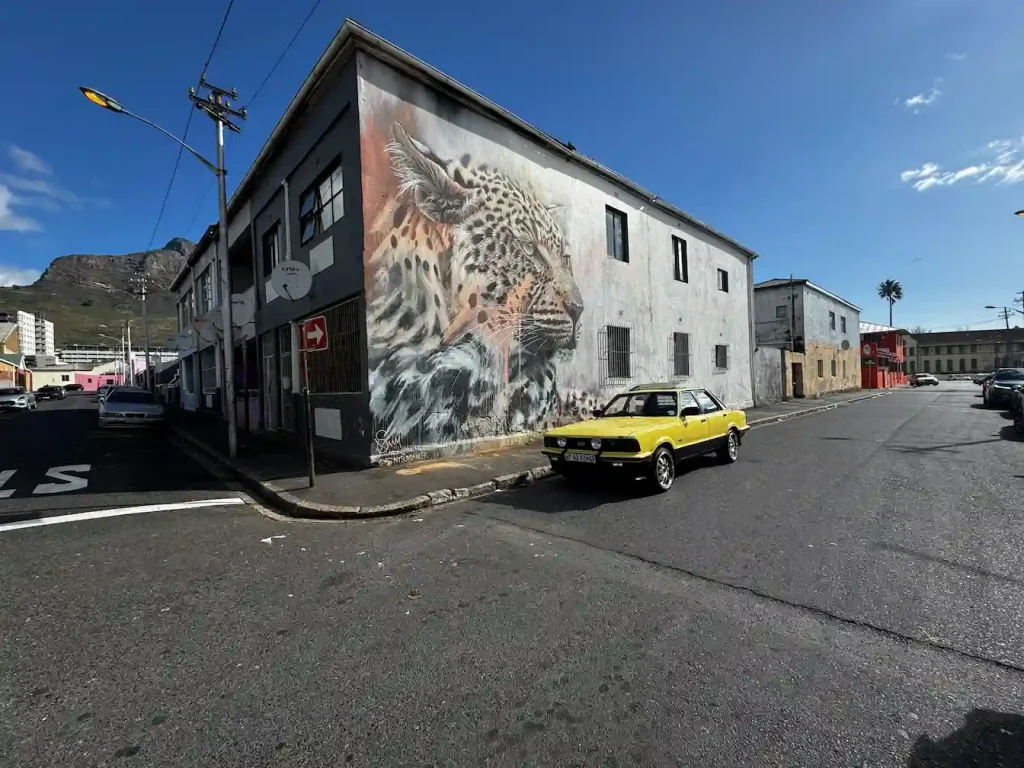
Street art by local and international artists covers much of the building’s exterior and interior walls in bold, colourful murals. The Mill occasionally hosts live performances including music, dance, and theatre. The events calendar at theoldbiscuitmill.co.za lists upcoming programming.
## Practical information for visitors
The Mill is located at 373-375 Albert Road in Woodstock, a short taxi ride or 15-minute walk from the City Bowl. If staying in the centre, this is accessible without difficulty.
Opening hours vary by business. Retail stores operate Sunday to Friday from 10 a.m. to 4 p.m., and Saturday from 9 a.m. to 5 p.m. Individual restaurants may have different hours—call ahead or check their websites if you have a specific reservation in mind.
Booking platforms like DinePlan can handle reservations for the larger restaurants. Smaller spots like How Bao Now can be contacted directly by email. Redemption Burgers and Espresso Lab operate on a first-come basis or accept walk-ins.
The Mill’s surrounding neighbourhood, Woodstock, has developed significantly in recent years. Street art and independent shops line nearby Albert Road and surrounding streets. If time allows, combine your Mill visit with a walking tour of Woodstock’s murals and street art—the creative energy of the area extends well beyond the building itself.
Budget roughly 300 to 600 South African Rand (approximately £12 to £25 or $15 to $32) for a casual meal at the market, or 400 to 1,500 Rand for a sit-down restaurant, depending on your choices. Wine and cocktails add to the bill but are competitively priced by international standards.
For international visitors, the Old Biscuit Mill works best as a morning or early afternoon destination. Arrive Saturday morning for the market, browse shops for an hour or two, eat lunch, and explore the workshops or street art in the neighbourhood. Evening visits are viable if you have a restaurant reservation, but the Mill’s primary energy is daytime and weekend.
Contact the main venue at 021 447 8194 or visit theoldbiscuitmill.co.za for current information.