
# Two Oceans Aquarium: A comprehensive guide for international visitors
Cape Town’s Two Oceans Aquarium sits at one of the world’s most dramatic coastal junctions, where the cold Atlantic and warm Indian Oceans meet. For travellers from North America, the UK, and Europe, it offers something rare: a chance to encounter marine species found nowhere else on Earth, displayed in a facility that operates year-round.
## What you’ll see

The Two Oceans Aquarium houses over 8,000 specimens representing more than 300 species. Rather than a generic collection, the aquarium focuses on the waters that define this corner of South Africa. The tanks hold more than 3,000 creatures actively on display, from African penguins and rockhopper penguins to sharks, rays, turtles, and leopard toads.
The Kelp Forest Exhibit stands out internationally. Living kelp forests appear in only a handful of aquariums worldwide. Here, giant sea bamboo sways like underwater trees, and fish move through the algae fronds in a hypnotic rhythm. It’s an immersive environment that differs markedly from the typical glass-tank experience.
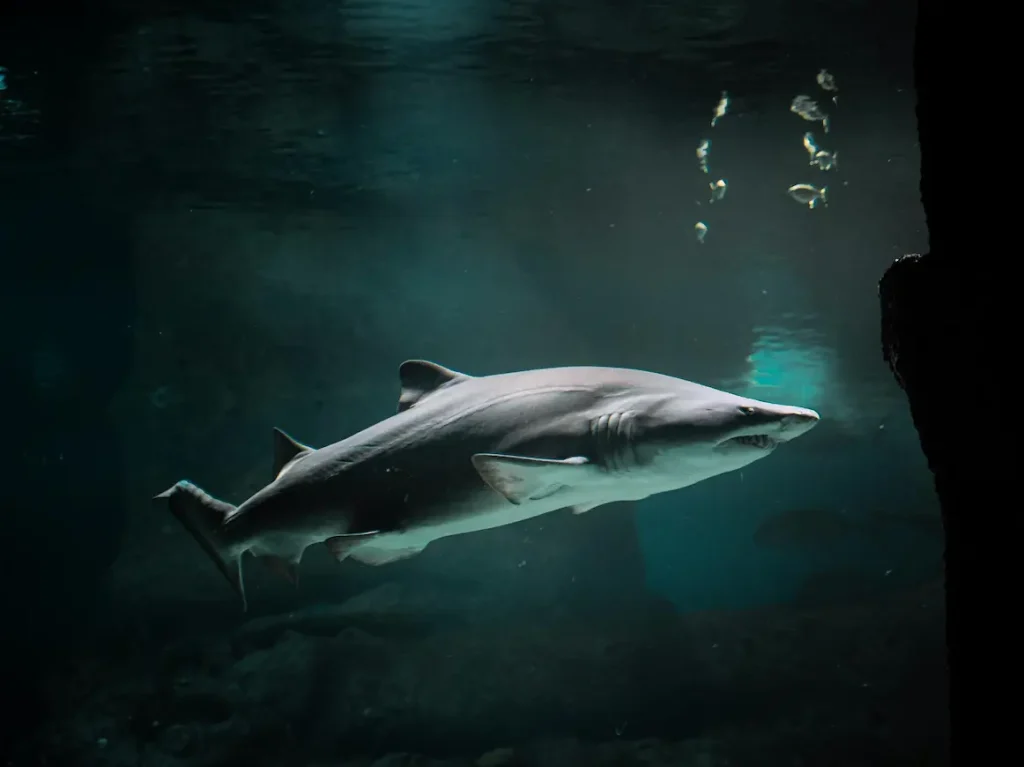
The I&J Ocean Exhibit and Predator Exhibit command serious attention. The Predator Exhibit contains over 2 billion litres of seawater where ragged-tooth sharks, graceful rays, loggerhead turtles, and schools of giant yellowtail move past viewers. This scale of display creates an encounter rather than a passive viewing.
## Getting there and practical information
The Two Oceans Aquarium occupies Dock Road at the Victoria & Alfred Waterfront. This location means you can combine your visit with shopping, dining, or harbour walks—the waterfront hosts restaurants, galleries, and retail alongside attractions like the Nobel Square and working fishing vessels.
Opening hours run from 09:30 to 18:00 every day of the year, with no seasonal closures. International travellers should note that tickets must be purchased 30 minutes before closing time. Weekday openings at 09:30 shift to 09:00 on weekends, public holidays, and South African school holidays—useful information if you’re timing a visit during these periods.
One-day adult tickets cost R235 (approximately £11–13 depending on exchange rates). Children aged 4–13 pay R110, teenagers aged 14–17 pay R175, and children under 3 enter free. South African pensioners and students with valid identification receive discounted rates.
An annual membership costs R560 for adults and R275 for children aged 4–13. For those planning multiple visits, the annual pass pays for itself after three or four days. Members also gain access to behind-the-scenes tours and exclusive events.
An “After 3 Special” discount applies during South African school term, seven days a week from 15:00. These discounted tickets are valid between 15:00 and 18:00 the same day.
## Experiences and activities
Daily feeding times give structure to your visit. African penguin feeding occurs at 11:30 and 14:30. The I&J Ocean Exhibit has feeding times at 12:00 on Mondays, Wednesdays, and Fridays, where scuba divers hand-feed stingrays and larger fish. Kelp Forest feeding happens on Tuesdays, Thursdays, and Sundays. The Predator Exhibit feeds daily at 15:00. Puppet shows run at 10:30, 13:30, and 15:30.
Visiting during morning hours offers fewer crowds and a more relaxed pace. Many visitors arrive soon after opening and experience the exhibits before the day builds towards lunch and afternoon hours.
The Two Oceans Aquarium Dive School is PADI Five-Star certified. Courses run from beginner to advanced levels. If you hold an open-water diving certificate, you can dive with sharks or hand-feed fish in the Kelp Forest—an experience unavailable at most aquariums globally.
The Penguin Experience offers a 90-minute educational session with northern rockhopper penguins for one or two participants. Guided behind-the-scenes tours provide insight into the aquarium’s life support systems and animal care operations.
For families, members’ sleepovers allow overnight stays at the facility. The aquarium also runs Trash Bash, a community beach cleanup initiative that aligns with its environmental focus.
## Staff and operations
The Two Oceans Aquarium operates with about 60 full-time staff supported by volunteers. The facility prioritises sustainability and maintains partnerships with organisations including the Save Our Seas Foundation and I&J (a food company). These collaborations fund exhibits, educational programmes, and research.
The aquarium’s team conducts daily feeding demonstrations not primarily for entertainment, though they draw crowds, but as part of regular animal care routines. Watching divers hand-feed rays or observing penguins eat gives genuine insight into how marine animals are managed in captivity.
## Planning your visit
Time your visit for 3–4 hours minimum if you want to move through exhibits at a reasonable pace. Add another 1–2 hours if you plan to catch multiple feeding times or the behind-the-scenes tour.
The gift shop sells souvenirs and educational materials. Cafés at the waterfront offer food and drinks outside the aquarium, though purchasing inside is also possible.
For group visits, the aquarium arranges school field trips and can handle larger tour bookings. This is particularly useful for tour operators arranging multi-day Cape Town itineraries.
Birthday visitors receive free admission on their birthday with valid identification—worth planning if your travel dates align.
Contact the aquarium on 021 418 3823 or visit their website for current special offers, diving course pricing, and event bookings. The Victoria & Alfred Waterfront can become crowded, especially during South African holidays and school breaks (typically June–July and December–January). Visit early in the day or outside school holiday periods if you prefer a quieter experience.
The Two Oceans Aquarium delivers a legitimate difference from other aquariums because of its location and focus on local marine ecosystems. For international visitors, it provides an introduction to South African ocean life within a single, manageable destination—a practical advantage in a country where many natural attractions require significant travel between sites.